


Table of Contents
- Beef Liver vs Chicken Treats: A Nutritional Comparison
- Nutritional Value of Chicken vs Beef Liver
- Hypoallergenic Dog Treats for Sensitive Stomachs
- How to Use Liver Treats for Training
- Single-Ingredient Benefits and Why They Matter
- Storage, Shelf Life, and Quality Assurance
- Making Your Choice: Beef Liver or Chicken
- Frequently Asked Questions
Last Updated: September 3, 2026
Beef Liver vs Chicken Treats: A Nutritional Comparison
When choosing between beef liver and chicken treats for your dog or cat, the decision comes down to nutritional density, digestibility, and your pet's individual health needs. Both are single-ingredient options that appeal to pet parents seeking filler-free, natural snacks, but they deliver different nutritional profiles and serve different purposes.
Beef liver treats pack significantly more micronutrients per serving than chicken treats. A smaller portion delivers greater nutritional impact, which is why many trainers prefer beef liver for reward-based training. Chicken treats offer a leaner protein source that some pets tolerate better, particularly those with sensitivities to richer foods.
The freeze-drying process preserves nutritional integrity by removing moisture while maintaining amino acid profiles and micronutrient bioavailability. At Simplified Freeze Dried, we focus exclusively on beef liver treats made from 100% American, human-grade beef. This commitment to sourcing eliminates the risk of denatured meat and ensures traceability from source to your pet's bowl.

Nutritional Value of Chicken vs Beef Liver
Beef liver outperforms chicken in nearly every micronutrient category. Understanding the actual nutrient density helps owners choose treats aligned with their pet's specific health goals.
Micronutrient Density Comparison
Beef liver contains approximately 10-15 times more vitamin A per gram than chicken meat, with freeze-dried beef liver delivering roughly 40,000-50,000 IU per ounce. This concentration requires portion control, especially for cats: a single kibble-sized piece can represent 5-10% of a cat's daily vitamin A requirement. Excessive accumulation can trigger vitamin A toxicity, characterized by joint pain, brittle bones, and skin lesions. Chicken treats contain approximately 3,000-5,000 IU per ounce, making them safer for frequent feeding.
Beef liver provides roughly 5-8 mg of heme iron per ounce (freeze-dried weight), while chicken contains 0.5-1.5 mg of non-heme iron. Heme iron is absorbed at 15-35% in the digestive system, whereas non-heme iron absorption ranges from 2-20%. For dogs showing signs of anemia, beef liver delivers bioavailable iron more efficiently.
Beef liver contains approximately 300-500 mg of taurine per 100 grams (freeze-dried), while chicken contains 50-100 mg per 100 grams. Cats require 40-50 mg of taurine daily; a single freeze-dried beef liver treat supplies 15-25 mg, making it a meaningful dietary source.
Caloric Density for Weight Management
Freeze-dried treats are calorie-dense because the process removes water while preserving protein and fat. Beef liver treats contain approximately 4.5-5.5 calories per gram, while chicken treats contain approximately 3.5-4.5 calories per gram. For a 30-pound dog on a weight-loss diet consuming 600-700 calories daily, treats should represent 60-70 calories maximum. A single kibble-sized beef liver treat delivers 4.5-5.5 calories, meaning 12-15 pieces fit within the daily allowance. The same dog could consume 17-20 pieces of chicken treats while staying within caloric limits, making chicken the better choice for owners prioritizing treat frequency.
Amino Acid Profiles and Bioavailability
Both beef liver and chicken are complete proteins containing all nine essential amino acids. Beef liver provides approximately 60-70 grams of protein per 100 grams (freeze-dried), with elevated levels of methionine, carnitine, and taurine. Carnitine is particularly relevant for aging dogs or those with heart conditions, with beef liver containing 300-400 mg per 100 grams compared to minimal amounts in chicken.
Palatability and Training Efficacy
The stronger flavor profile of beef liver, driven by higher concentrations of nucleotides, amino acids, and fat-soluble compounds, makes it more palatable to most dogs and cats. In training scenarios, dogs show faster response times and higher treat-seeking motivation with beef liver. Chicken treats work well for pets with milder taste preferences but require larger portions to maintain equivalent motivation.
Hypoallergenic Dog Treats for Sensitive Stomachs
Single-ingredient treats excel for pets with food sensitivities because they eliminate variables that trigger reactions. A pure beef liver treat contains nothing but beef liver, no fillers, additives, preservatives, or binding agents.
Chicken treats work well for pets with beef sensitivities, though true beef allergies are less common than environmental allergies in dogs. If your pet has a documented beef sensitivity, chicken becomes the logical choice. If the sensitivity stems from fillers or additives rather than the protein source itself, switching to single-ingredient chicken may resolve the issue.
Limited ingredient diets work by reducing potential triggers. When you feed only beef liver or only chicken, your pet's digestive system encounters fewer unfamiliar compounds. This simplicity helps identify the actual culprit if reactions persist.
Digestibility improves with freeze-dried single-ingredient treats because the processing preserves the meat's natural structure without adding binders or fillers. Your pet's digestive system recognizes whole muscle or organ tissue more readily than processed kibble containing gums, starches, or synthetic binding agents.
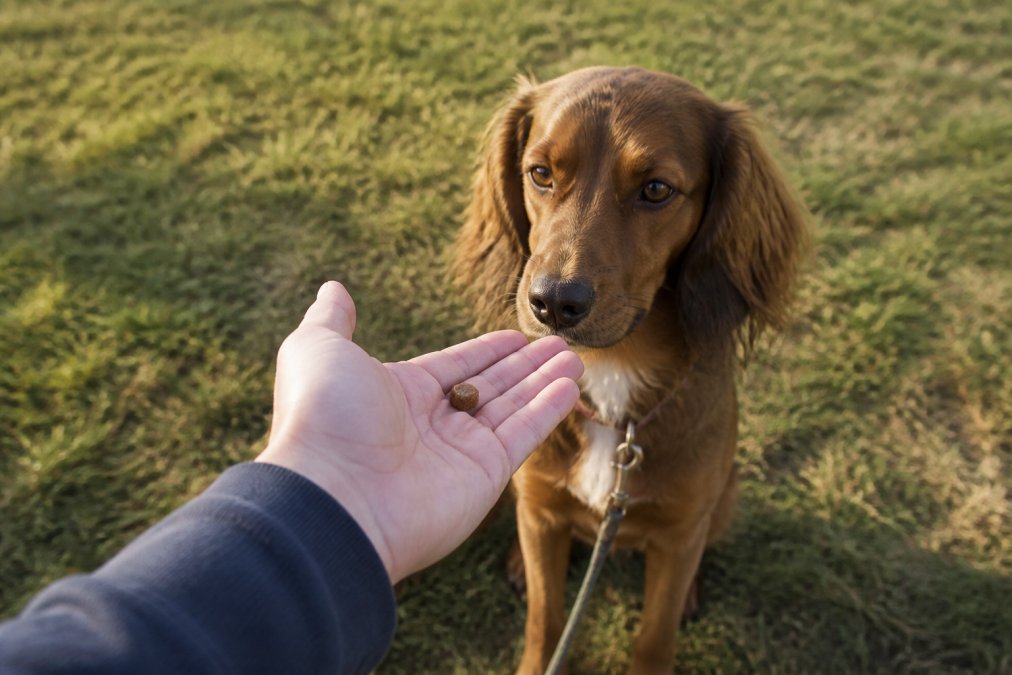
How to Use Liver Treats for Training
Liver treats serve as high-value rewards in training because their strong flavor and nutrient density capture attention faster than standard kibble. The freeze-dried format offers a practical advantage: kibble-sized pieces break into smaller portions without crumbling, allowing precise portion control.
Start with tiny portions. A single kibble-sized piece delivers meaningful reward value. For a 30-minute training session, 5-10 small pieces remain well within daily caloric limits while maintaining motivation.
Timing matters in reward-based training. Deliver the treat within 1-2 seconds of the desired behavior to create a clear association between action and reward. Freeze-dried treats require no preparation and are ready to deliver immediately.
For clicker training, liver treats work exceptionally well. The click marks the moment of correct behavior; the treat confirms the reward. The strong palatability means your pet remains engaged through longer sessions.
Portion guidelines depend on your pet's total daily caloric intake. Treats should represent no more than 10% of daily calories. For a 30-pound dog consuming approximately 900 calories daily, that means 90 calories from treats. Multiple freeze-dried beef liver pieces fit comfortably within this limit.
Cats respond differently to training rewards than dogs. Smaller portions work better, a single kibble-sized piece often suffices. Space training sessions 2-3 hours apart to maintain treat motivation.
Single-Ingredient Benefits and Why They Matter
Single-ingredient treats eliminate the guesswork around what your pet is actually consuming. No hidden fillers, no mystery binders, no preservatives listed under unfamiliar chemical names. You know exactly what you're feeding: beef liver or chicken, nothing else.
This transparency matters for pets with sensitivities and appeals to health-conscious pet parents who prioritize clean-label nutrition. Sourcing becomes traceable with single-ingredient products. Simplified Freeze Dried uses only 100% American beef liver, establishing a clear supply chain from farm to treat.
Nutrient density increases when you remove fillers. A freeze-dried single-ingredient treat delivers more actual nutrition per gram than multi-ingredient kibble packed with grains, starches, or binders. Your pet receives greater nutritional impact from smaller portions.
The absence of additives and preservatives means freeze-dried treats rely on the freeze-drying process itself to ensure shelf stability. This minimal processing approach preserves nutritional integrity while naturally preventing spoilage without chemical preservatives.
Storage, Shelf Life, and Quality Assurance
Freeze-dried treats remain shelf-stable far longer than fresh or traditionally dehydrated meat, but storage conditions directly impact nutrient retention and oxidation rates.
Why Freeze-Drying Enables Long Shelf Life
Freeze-drying removes approximately 95-98% of water content from beef liver or chicken. Bacteria and mold require water activity above 0.6 to proliferate; freeze-dried treats typically achieve 0.3-0.4, creating an inhospitable environment for microbial growth. This is why freeze-dried treats require no chemical preservatives.
However, freeze-dried treats are vulnerable to oxidation, where fats and certain vitamins react with oxygen and degrade over time. Beef liver contains higher fat content than chicken (roughly 5-8% versus 1-3% by weight in freeze-dried form), making it more susceptible to oxidative rancidity.
Oxidation and Nutrient Degradation
When freeze-dried beef liver is exposed to oxygen, polyunsaturated fats begin to oxidize, producing compounds with a rancid smell that can trigger digestive upset. More importantly, oxidation degrades fat-soluble vitamins, vitamin A, vitamin D, and vitamin E, which are abundant in beef liver. Studies show vitamin A content can decline by 10-15% per month when stored at room temperature in non-opaque containers exposed to ambient light.
Optimal Storage Conditions
Temperature significantly impacts oxidation rates. For every 10°F increase in storage temperature, oxidation reactions roughly double in speed. Storing freeze-dried treats at 50-60°F extends shelf life by 30-50% compared to room temperature storage.
Light exposure accelerates oxidation through photochemical reactions. Opaque, airtight containers provide optimal protection. Treats stored in clear containers exposed to kitchen light can lose 20-30% of vitamin A content within 3-6 months, whereas the same treats in opaque, sealed containers maintain 90%+ of original vitamin A for 12-18 months.
Humidity is the second major threat. Freeze-dried treats naturally reabsorb moisture from humid environments. When moisture content rises above 8-10%, mold growth becomes possible, and the texture shifts from crispy to soft. Rehydration reactivates enzymatic degradation processes that were halted during freeze-drying.
Container Selection and Reseal Practices
Airtight containers with oxygen-absorbing packets provide superior protection compared to simple ziplock bags. Oxygen-absorbing packets reduce oxygen concentration inside the container to near-zero levels, essentially halting oxidation. Once opened, reseal immediately and minimize air exposure. Each time a container is opened, fresh oxygen enters and oxidation accelerates.
Recognizing Quality Deterioration
A rancid smell is the first and most reliable indicator of oxidative degradation. Fresh freeze-dried beef liver has a mild, meaty aroma; rancid treats develop a sharp, unpleasant odor similar to old cooking oil. Discard treats exhibiting this smell. Visual changes include darkening or discoloration, particularly browning at the edges. Texture changes, treats becoming soft, sticky, or clumping together, signal moisture reabsorption and potential mold risk.
Practical Storage Strategy
Store in an opaque, airtight container with oxygen-absorbing packets in a cool (50-65°F), dark location. Reseal immediately after each use. Purchase quantities your household will consume within 2-3 months. Check for rancidity smell before each feeding. Discard any treats showing signs of moisture damage or off-odors. Following these practices ensures you receive the full nutritional benefit freeze-drying provides.
Making Your Choice: Beef Liver or Chicken
Your decision depends on three primary factors: your pet's individual nutritional needs, any documented food sensitivities, and your training goals.
Choose beef liver treats if your pet is healthy with no known sensitivities and you want maximum nutrient density in a small package. Beef liver's superior micronutrient profile, stronger palatability, and amino acid concentration make it the top choice for training rewards and nutritional supplementation.
Choose chicken treats if your pet has documented beef sensitivities or if you're introducing treats to a new pet and want to start with a leaner protein source. Chicken's milder flavor also suits pets with sensitive palates.
Consider your pet's age and health status. Aging pets benefit from beef liver's nutrient density and amino acid profile. Young, healthy pets thrive on either option, so personal preference and training effectiveness become the deciding factors. Cats require careful attention to portion sizes with beef liver due to vitamin A sensitivity.
Simplified Freeze Dried Beef Liver Treats for Dogs & Cats deliver the nutritional density and sourcing transparency that health-conscious pet parents demand. Our treats use only 100% American, human-grade beef liver, never imported meat or denatured sources. The freeze-drying process preserves maximum nutrition while our kibble-sized pieces provide precision portions for training or meal toppers.
For most pet parents seeking a single-ingredient treat that delivers real nutritional value without compromise, beef liver represents the superior choice. It outperforms chicken in micronutrient density, bioavailability, and palatability while remaining appropriate for both dogs and cats when portioned correctly.
The choice between beef liver and chicken treats ultimately reflects your priorities: maximum nutrition in minimal portions, or a leaner alternative for sensitive pets. Either way, single-ingredient treats eliminate the guesswork and deliver transparency that commercial multi-ingredient options cannot match. Start with Simplified Freeze Dried Beef Liver Treats for Dogs & Cats and experience the difference that American-sourced, human-grade, minimally processed treats deliver to your pet's health and training success.
Frequently Asked Questions
Q: Is beef liver or chicken better for dogs with food sensitivities?
A: Beef liver and chicken are both single-ingredient options that work well for sensitive stomachs. If your dog has a known chicken allergy, beef liver is the clear choice. Start with small portions and monitor for any reactions, regardless of which you choose.
Q: What makes single-ingredient freeze-dried treats safer than processed alternatives?
A: Single-ingredient treats contain no fillers, additives, preservatives, or binding agents that can trigger allergic reactions or digestive issues. Freeze-drying preserves nutrients while removing moisture, which naturally prevents bacterial growth without added preservatives. With human-grade beef liver or chicken, you know exactly what your pet is eating, making it easier to identify and avoid problem ingredients.
Q: Can dogs eat too much beef liver?
A: Yes. Beef liver is nutrient-dense and high in vitamin A; excessive amounts can lead to vitamin A toxicity over time. Treats should make up no more than 10% of your dog's daily caloric intake. For beef liver specifically, limit to small portions several times per week rather than daily. Always adjust meal portions if you're adding treats to prevent overfeeding.
Q: How do I know if freeze-dried treats have truly been minimally processed?
A: Look for transparency in sourcing and processing details. Legitimate single-ingredient treats should list only one ingredient on the label. Human-grade beef liver means the meat meets food safety standards for human consumption before being freeze-dried. Minimal processing typically means the meat is cut once, then freeze-dried, no additional steps, binders, or preservatives.
This article was written using GrandRanker