


Table of Contents
- What Makes Single-Ingredient Freeze-Dried Cat Treats Different
- Nutritional Benefits of Freeze-Dried Beef Liver for Cats
- Why Cats with Food Sensitivities Thrive on Single-Ingredient Treats
- How to Choose Healthy Cat Treats: What to Look For
- Are Freeze-Dried Treats Safe for Kittens and Young Cats
- Using Freeze-Dried Treats for Training and Meal Toppers
- Storage, Shelf Life, and Freshness
- Conclusion
- Frequently Asked Questions
Last Updated: August 31, 2026
What Makes Single-Ingredient Freeze-Dried Cat Treats Different
Single-ingredient freeze-dried cat treats deliver pure, whole food nutrition without fillers, binders, or preservatives. The freeze-drying process removes moisture while preserving cellular structure, locking in nutrients that heat-based processing destroys. Freeze-dried beef liver retains the amino acid profile, vitamins, and minerals of raw liver without raw feeding's safety concerns, critical for obligate carnivores built to extract maximum nutrition from animal protein.
This approach offers transparency: one ingredient means nowhere to hide. Pet parents with cats that have food sensitivities or allergies can finally offer rewards without playing ingredient detective. At Simplified Freeze Dried, every treat contains exactly what the label says, nothing more.

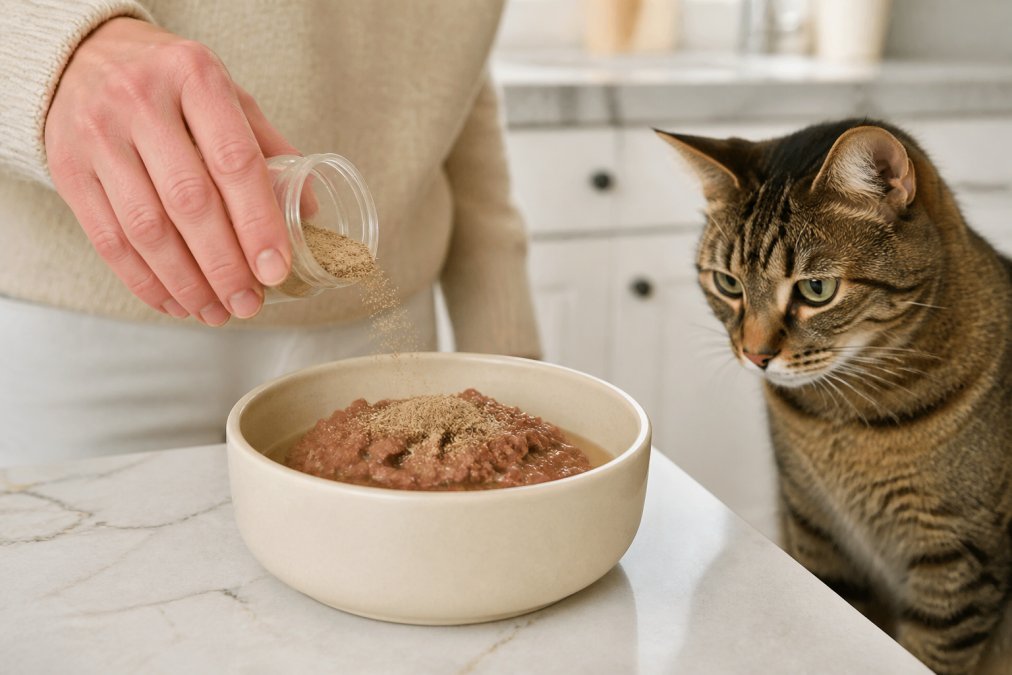
Single-ingredient freeze-dried treats are shelf-stable without refrigeration, portion-controlled by weight, and versatile as training rewards, meal toppers, or snacks. For training, the concentrated flavor and minimal crumbling make them ideal for quick positive reinforcement. For picky eaters, a sprinkle of freeze-dried beef liver powder transforms an ordinary meal into something irresistible.
Nutritional Benefits of Freeze-Dried Beef Liver for Cats
Protein-First Nutrition and Amino Acid Profile
Beef liver is one of the most nutrient-dense foods for cats. A single ounce of freeze-dried beef liver delivers roughly 10 grams of protein, far more concentrated than fresh liver, which is 70% water by weight.

Cats require taurine, an amino acid they cannot synthesize themselves, making dietary sources essential for heart and eye health. Beef liver is naturally rich in taurine, and freeze-drying preserves it. Beyond taurine, beef liver supplies all nine essential amino acids in the proportions cats need for muscle development and metabolic function.
The protein in freeze-dried beef liver is highly digestible. Animal protein contains all amino acids in the exact ratios feline digestive systems evolved to process, meaning cats extract more usable nutrition from each bite. For aging cats or those recovering from illness, this protein density becomes particularly valuable, an elderly cat eating less overall food still receives adequate amino acid intake from a small serving.
Bioavailability and Nutrient Density
Freeze-drying preserves vitamins like B vitamins and minerals like iron and copper that heat processing destroys. Fresh beef liver contains iron, zinc, selenium, and B vitamins in abundance. Conventional pet treats often use rendering or high-heat cooking, which denatures nutrients and reduces bioavailability. Freeze-drying avoids this problem entirely.
Mineral content matters especially for cats prone to urinary issues or those needing metabolic support. Freeze-dried beef liver provides phosphorus and potassium in naturally occurring ratios, supporting kidney and cardiovascular function. Because freeze-drying concentrates these minerals without adding synthetic supplements, cats receive them in their most bioavailable form.
The nutrient density also means portion control becomes easier. A cat receiving freeze-dried treats gets measurable nutritional benefit from a smaller quantity than conventional treats would provide, particularly important for weight management in indoor cats.
Why Cats with Food Sensitivities Thrive on Single-Ingredient Treats
Cats with food allergies or sensitivities benefit from elimination diets, removing suspected allergens until symptoms resolve. Single-ingredient freeze-dried treats fit perfectly into this protocol because they eliminate all variables except the primary protein source.
When a cat has a documented chicken allergy, a freeze-dried beef liver treat guarantees zero cross-contamination. There's no "chicken meal" hiding in the ingredient list, no shared manufacturing facility concerns, no binders that might contain trace allergens. This clarity is something conventional multi-ingredient treats cannot provide.
The limited ingredient approach also works for cats with inflammatory bowel disease or digestive sensitivities. These cats often respond well to highly digestible, single-source proteins. Beef liver, being entirely protein and fat with minimal fiber, is gentle on sensitive digestive systems while delivering maximum nutrition.
For cats transitioning from prescription diets to more natural options, single-ingredient treats serve as a bridge, nutritionally complete enough to be meaningful while simple enough to introduce confidently without triggering reactions.
How to Choose Healthy Cat Treats: What to Look For
Sourcing Transparency and Human-Grade Standards
"Human-grade" is not a regulated term in pet food, so what matters is whether the ingredient meets food safety standards for human consumption before processing. Simplified Freeze Dried uses only 100% American beef liver sourced from facilities meeting human food safety standards. We will not use denatured meat or meat unsafe for humans due to animal disease or infections. This standard is higher than what many competitors maintain.
American beef is subject to USDA inspection and must meet specific safety protocols. Imported beef may come from countries with different regulatory standards, creating uncertainty about processing methods and potential contaminants. Knowing exactly where your cat's treats originate gives you control over quality assurance.
Transparency extends to processing details. Our beef liver products are minimally processed, cut once, then freeze-dried, ensuring maximum nutrition retention and reducing opportunities for contamination. Ask direct questions when evaluating brands: Where is the ingredient sourced? What facility processes it? Are there third-party safety certifications? A company confident in its sourcing will answer clearly.
Avoiding Hidden Fillers and Preservatives
Single-ingredient treats should list exactly one ingredient. If the label reads "Beef Liver" and nothing else, you've found what you're looking for. Additional items like cellulose or guar gum are fillers serving no nutritional purpose for cats and represent dilution of the primary ingredient's value.
Preservatives deserve attention. Natural preservatives like mixed tocopherols (vitamin E) are acceptable. Synthetic preservatives like BHA, BHT, or ethoxyquin should be avoided entirely. If a treat requires synthetic preservation, it suggests the ingredient quality or manufacturing process cannot maintain freshness through natural means.
The label should specify what the ingredient is. "Beef" is vague; "Beef Liver" is precise; "Beef Liver from grass-fed cattle" is more specific still. Understanding the processing method tells you what happened to the nutrient profile. "Freeze-dried" is clear. "Dehydrated" or "air-dried" involve heat and moisture removal, which can reduce bioavailability.
Are Freeze-Dried Treats Safe for Kittens and Young Cats
Age-Appropriate Portion Sizes and Transitioning Guidelines
Freeze-dried treats are safe for kittens, but portion sizes must match their smaller body weight and developing digestive systems. A kitten should receive no more than 10% of daily calories from treats, with the remaining 90% from a complete kitten formula diet.
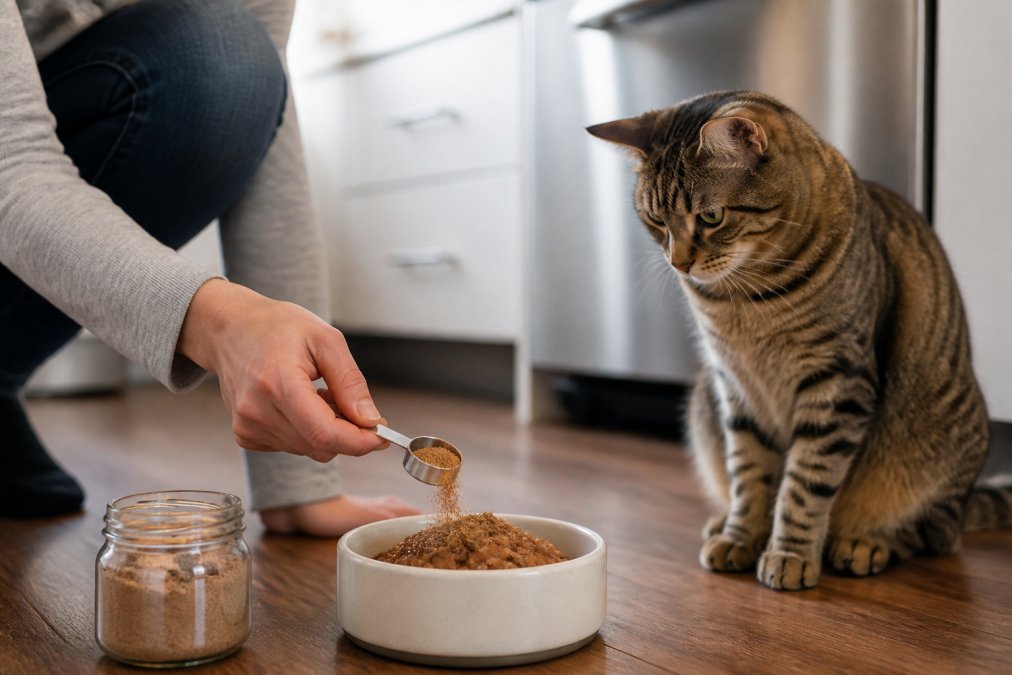
For a kitten weighing 2-3 pounds, this typically means 2-3 small pieces of freeze-dried beef liver per day, or about 1/4 teaspoon of powder mixed into wet food. Start with even smaller amounts to assess tolerance and ensure the kitten's digestive system handles the concentrated nutrition without upset.
Introduce freeze-dried treats gradually if the kitten has been eating conventional treats. Offer one small piece every other day for the first week, then increase frequency if no digestive upset occurs. This allows the kitten's digestive bacteria to adjust without causing diarrhea or vomiting.
Young cats (8 weeks to 6 months) have higher protein requirements than adults because they're building muscle and bone. Freeze-dried beef liver supports this growth but should complement, not replace, a balanced kitten diet. Watch for signs of digestive sensitivity: loose stools, reduced appetite, or vomiting. If any occur, reduce portion size or frequency.
By 6 months of age, most kittens can handle the same portion sizes as adult cats, though continue monitoring portions relative to overall caloric intake.
Using Freeze-Dried Treats for Training and Meal Toppers
Freeze-dried treats excel in training because cats respond strongly to high-value rewards. The concentrated aroma and palatability of beef liver trigger faster behavioral response than conventional treats, allowing smaller portions to achieve the same training effect.
For clicker training or teaching cats to use scratching posts instead of furniture, freeze-dried beef liver works better than most alternatives. Start with tiny pieces, roughly the size of a pea, and reward immediately after the desired behavior occurs.
As meal toppers, freeze-dried treats transform ordinary kibble or wet food into something more appealing. Cats that are picky eaters or recovering from illness often respond to a sprinkle of freeze-dried beef liver powder mixed into regular food. For multi-cat households, freeze-dried treats help manage individual portions since pieces are small and quickly consumed.
The versatility extends to enrichment. Hiding small pieces in puzzle feeders or treat-dispensing toys encourages natural hunting behaviors and mental stimulation. The reward is valuable enough to keep a cat engaged for extended periods.
Storage, Shelf Life, and Freshness
Freeze-dried treats are shelf-stable without refrigeration, but proper storage extends freshness and prevents nutrient degradation. Store in original packaging at room temperature, away from direct sunlight and heat sources. A cool, dry pantry is ideal.
Moisture is the primary enemy of freeze-dried products. Once exposed to humidity, treats will reabsorb moisture, which can promote bacterial growth and reduce shelf life. Keep the container sealed between uses. In humid climates, consider storing the original packaging in an airtight container.
Properly stored freeze-dried treats typically remain fresh for 1-3 months from purchase after opening. Check the package for a "best by" date and respect that guideline for unopened pouches. Visual inspection helps determine freshness, treats should look uniform in color and texture. Discoloration, clumping, or off smells indicate moisture exposure or bacterial growth.
For travel, freeze-dried treats are ideal because they require no refrigeration and remain fresh throughout your trip.
Storage Method |
Shelf Life |
Best For |
|---|---|---|
After opening, stored in original packaging sealed shut at room temperature |
1-3 months |
Standard household storage |
Original packaging, unopened |
Per "best by" date |
Pantry storage before opening |
Conclusion
Single-ingredient freeze-dried cat treats represent the intersection of nutrition science and practical pet care. They deliver protein-first nutrition, preserve bioavailability better than heat-processed alternatives, and provide the transparency that cats with food sensitivities need. For training, meal enhancement, or simple snacking, they outperform conventional treats because they're built on what cats actually require: concentrated animal protein without filler or compromise.
Simplified Freeze Dried's beef liver treats are sourced from 100% American, human-grade beef and minimally processed to preserve maximum nutrition. Our single-ingredient approach means you know exactly what your cat is eating, nothing hidden, nothing unnecessary. Whether you're training a kitten, supporting a senior cat's nutrition, or managing food sensitivities, our freeze-dried treats deliver the quality and transparency your cat deserves. Start with Simplified Freeze Dried Beef Liver Treats and experience the difference that pure, whole-food nutrition makes in your cat's health and behavior.
Frequently Asked Questions
Q: Are freeze-dried cat treats healthy for daily consumption?
A: Yes, single-ingredient freeze-dried cat treats are safe for daily use when portion-controlled. They contain no fillers, preservatives, or hidden additives, making them ideal for regular training rewards or meal toppers. However, treats should comprise no more than 10% of your cat's daily caloric intake. The freeze-drying process preserves nutrient density and bioavailability, meaning your cat absorbs more vitamins and minerals compared to conventional treats. Always introduce new treats gradually and monitor your cat's response.
Q: How do freeze-dried beef liver treats compare to regular commercial cat treats?
A: Freeze-dried beef liver treats offer superior protein-first nutrition and amino acid profiles compared to most commercial options. Regular treats often contain fillers, binders, and preservatives that reduce digestibility and nutrient absorption. Freeze-dried beef liver is minimally processed—cut once, then freeze-dried—which locks in natural taurine, iron, and B vitamins critical for feline wellness. Single-ingredient treats eliminate the risk of triggering food sensitivities, whereas commercial blends may hide ingredients or use lower-quality protein sources not suitable for cats with allergies.
Q: Are freeze-dried treats safe for kittens?
A: Freeze-dried treats are safe for kittens over 12 weeks old, but portion sizes matter. Kittens have smaller stomachs and higher metabolic needs, so offer tiny pieces or ground powder mixed into wet food rather than whole treats. Start with very small amounts to ensure digestive tolerance. Always consult your veterinarian before introducing new treats to kittens, especially if they have a history of digestive sensitivity. The high nutrient density of freeze-dried beef liver supports kitten growth and muscle development when used appropriately as a supplement, not a meal replacement.
Q: What makes single-ingredient treats better for cats with food allergies?
A: Single-ingredient treats eliminate the guesswork and hidden triggers found in multi-ingredient formulas. When your cat has a documented chicken allergy or beef sensitivity, a pure freeze-dried beef liver treat (or pumpkin alternative) removes all other potential allergens. You know exactly what your cat is consuming—no binding agents, fillers, or mystery proteins. This transparency is essential for managing food sensitivities and avoiding expensive vet visits. The minimal processing also ensures no cross-contamination or hidden additives that might provoke a reaction.
This article was written using GrandRanker