


Table of Contents
- What a Dog Allergic Reaction to Dog Food Actually Looks Like
- Food Allergy vs. Food Intolerance: Why the Difference Matters
- The Most Common Dog Food Allergens
- How a Dog Food Elimination Diet Actually Works
- Diagnosing Dog Food Allergies: What Vets Actually Do
- Single-Ingredient Dog Treats for Allergies: What to Look For
- Managing Your Dog's Food Allergy Long-Term
- Conclusion
Last Updated: August 24, 2026
What a Dog Allergic Reaction to Dog Food Actually Looks Like
A dog allergic reaction to dog food is an immune-mediated response in which the body incorrectly identifies a food protein as a threat. The immune system produces immunoglobulin E antibodies in response to the perceived threat. Repeated allergen exposure amplifies that response, which is why symptoms often worsen over time. According to the American Kennel Club's guide to dog food allergies, food allergies can develop even to proteins a dog has eaten for years without issue.

Skin and Coat Symptoms
Dermatological symptoms are the most common clinical signs of a dog allergic reaction to dog food. Watch for these indicators:
- Pruritus - Generalized itching, particularly around the face, ears, paws, groin, and armpits
- Pedal licking - Compulsive licking of the paws, often leaving rust-colored staining on the fur
- Facial rubbing - Rubbing the face against carpet, furniture, or the ground
- Otitis externa - Recurring ear infections, often with dark discharge and a yeasty smell
- Atopic dermatitis - Inflamed, thickened, or scaly skin patches
- Secondary skin infections - Bacterial or yeast infections that develop because chronic inflammation compromises the skin barrier
- Hair loss - Patchy coat thinning from constant scratching or chewing
A dog that cannot stop scratching cannot sleep properly, cannot focus during training, and often becomes anxious or irritable. Behavioral shifts may be a direct consequence of physical discomfort.
Gastrointestinal Symptoms
Some dogs experience primarily gastrointestinal distress, which makes diagnosis harder because the signs overlap with many other conditions. Gastrointestinal signs include chronic or intermittent vomiting, loose stools or diarrhea that does not resolve with a bland diet, excessive flatulence, appetite inconsistency, weight loss despite eating normally, and lethargy following meals. Keep a simple log noting what your dog ate, when symptoms appeared, and severity, this becomes one of the most useful tools your veterinarian has.
Food Allergy vs. Food Intolerance: Why the Difference Matters
These terms describe two completely different processes, and the distinction changes how you manage the problem.
Food allergy is an immune system response where the body recognizes a protein as foreign and attacks it, producing immunoglobulin E antibodies and triggering inflammation. Even trace amounts of the allergen can provoke a reaction.
Food intolerance is a non-immune digestive reaction where the dog's gut cannot properly process a specific ingredient, resulting in gastrointestinal upset without immune system involvement. A dog with a food intolerance may tolerate modest amounts without a serious reaction.
A dog with a true food allergy cannot safely consume even small amounts of the offending protein. Conflating the two leads to incomplete management and ongoing symptoms.
The Most Common Dog Food Allergens
The proteins most frequently implicated in canine food allergies are the most commonly fed proteins in commercial dog food, which is precisely why sensitization develops. According to veterinary dermatology research published by the Merck Veterinary Manual, the most common allergens include beef, dairy products, chicken, wheat and gluten, lamb, soy, and egg.
Cross-reactivity is a real concern. A dog allergic to chicken may also react to turkey or duck because the proteins share structural similarities. This is why novel protein diets use ingredients like venison, rabbit, or kangaroo, which most dogs have never been exposed to.
How a Dog Food Elimination Diet Actually Works
The dog food elimination diet is the gold standard for diagnosing food allergies. Serum testing and intradermal skin testing have poor sensitivity and specificity for food allergens. The food trial remains the most reliable diagnostic protocol available.
An elimination diet works by removing every potential allergen from the dog's diet and replacing it with proteins and carbohydrates the dog has never eaten. If symptoms resolve during the trial, a food allergy is likely. If symptoms return when the original diet is reintroduced, the diagnosis is confirmed.
Step-by-Step: Running a Food Trial at Home
Running a food trial requires discipline. One slip can invalidate weeks of progress.
Step 1: Choose a novel protein or hydrolyzed protein diet. A novel protein is a protein source your dog has never eaten before. A hydrolyzed protein diet uses proteins broken into fragments too small for the immune system to recognize. Your veterinarian can recommend a prescription diet, or you can source a limited-ingredient commercial food with a single, verifiable protein source.
Step 2: Eliminate every other food source. This includes treats, table scraps, flavored medications, flavored toothpaste, and chews. Every item that enters your dog's mouth must be free of the suspected allergens.
Step 3: Commit to a minimum of 8-12 weeks. Skin symptoms take time to resolve. Many pet parents abandon the trial at week four when they see only partial improvement.
Step 4: Monitor and document symptoms weekly. Note itching severity, ear condition, stool quality, and energy levels. Photographs of skin lesions are useful for comparison.
Step 5: Reintroduce the original diet. If symptoms resolved, reintroduce the original food. If symptoms return within two weeks, a food allergy is confirmed. You can then reintroduce individual ingredients one at a time to identify the specific trigger.
Reading Pet Food Labels for Hidden Allergens
A label that appears clean can still contain the allergen. Terms like "meat meal," "animal fat," "natural flavors," "broth," "hydrolyzed vegetable protein," and "digest" obscure ingredient origins. During a food trial, if the ingredient is not explicitly identified by species, it does not belong in your dog's bowl. Look for single-source proteins listed by name, such as "salmon," "venison," or "beef liver."
Diagnosing Dog Food Allergies: What Vets Actually Do
Veterinarians diagnose food allergies primarily through history, physical examination, and the elimination diet. A veterinary dermatologist may perform intradermal skin testing or serum testing to evaluate environmental allergens, but for food-specific allergens, these tests have limited clinical utility. The food trial is still the most reliable tool.
Your vet will also assess for secondary skin infections, which often need treatment before the elimination diet can produce clear results. According to the Cummings School of Veterinary Medicine at Tufts University, food allergy blood tests often generate false positives and false negatives. The honest cost-benefit picture: spend the time on a proper elimination diet before spending money on panels that may mislead you.
Single-Ingredient Dog Treats for Allergies: What to Look For
Treats are the most common point of failure during an elimination diet. Single-ingredient dog treats for allergies solve this problem by removing all ambiguity.
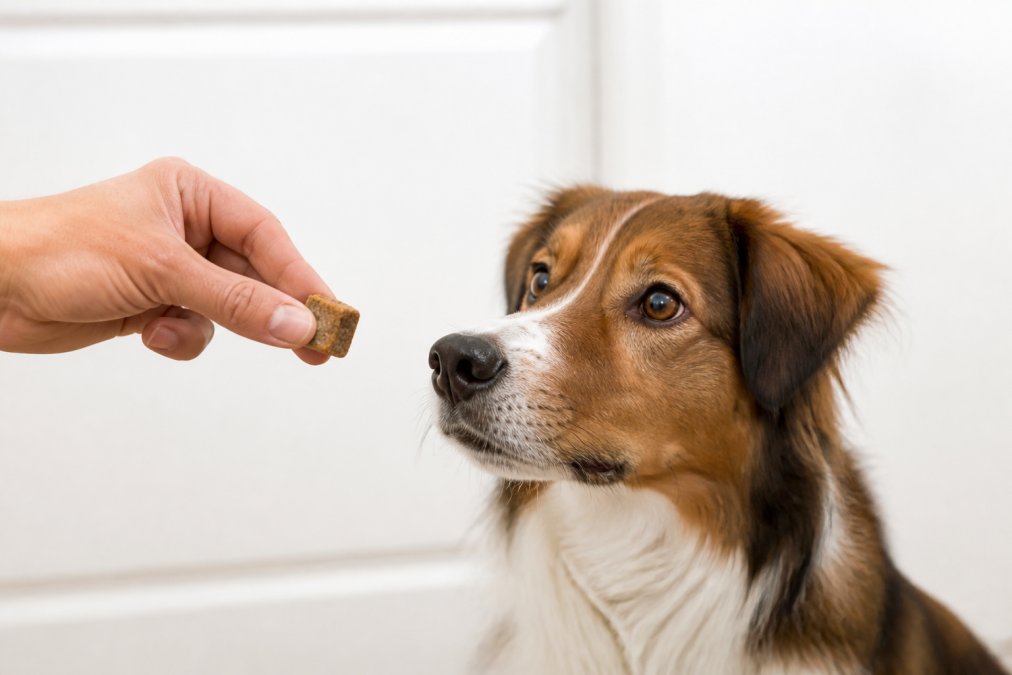
When evaluating single-ingredient treats for an allergic dog, look for verified single-ingredient sourcing, no added preservatives or binders, human-grade protein, and kibble-sized options for training without overfeeding.
Simplified Freeze Dried offers single-ingredient freeze-dried treats made from 100% American beef liver, sourced and processed domestically with no imported ingredients. The beef liver is human-grade and minimally processed, cut once and freeze-dried to preserve nutritional value.
Managing Your Dog's Food Allergy Long-Term
Once you have identified the allergen, long-term management requires ongoing discipline. Maintain strict dietary control and avoid all foods containing the identified allergen. Communicate with everyone in the household, food allergies fail when one family member gives a "harmless" table scrap. Schedule regular veterinary check-ins to catch emerging sensitivities before they become severe. Address environmental factors like dust mites or pollen, which can lower a dog's overall threshold. Choose treats as carefully as meals, single-ingredient dog treats for allergies remain the safest option throughout your dog's life. According to the American College of Veterinary Dermatology's resources on food allergy management, ongoing dietary vigilance is the primary factor in long-term symptom control.
| Management Area | Action | Frequency |
|---|---|---|
| Diet review | Check ingredient lists for formulation changes | Every purchase |
| Treat selection | Verify single-ingredient, allergen-free treats | Ongoing |
| Skin monitoring | Photograph and assess skin condition | Weekly |
| Ear checks | Inspect for discharge, odor, or redness | Weekly |
| Vet follow-up | Review symptom trends and adjust management | Every 6-12 months |
The dogs that do best long-term are the ones whose owners treat allergen avoidance as a permanent habit, not a temporary fix.
Managing a dog allergic reaction to dog food is genuinely challenging, especially when you are trying to find treats that do not undo all your dietary work. Simplified Freeze Dried makes that part easier. Our single-ingredient, human-grade beef liver treats contain nothing hidden, no binding agents, no imported proteins, and no ambiguity. They are freeze-dried from 100% American beef liver, available in kibble-sized pieces for training, and made by a veteran-owned family business that believes your dog deserves to know exactly what they are eating. Visit Simplified Freeze Dried to find a treat your allergic dog can actually enjoy safely.
Frequently Asked Questions
How can I tell if my dog is allergic to their dog food?
The most telling signs of a dog food allergy are chronic itching (pruritus), recurring ear infections (otitis externa), paw licking, facial rubbing, and gastrointestinal distress like vomiting or diarrhea. What separates a dog food allergy from seasonal allergies is that symptoms persist year-round regardless of weather. If your dog scratches constantly even in winter, food is a strong suspect. A veterinarian can confirm the diagnosis through an elimination diet food trial.
What are the most common food allergens for dogs?
Beef, dairy, chicken, wheat, and eggs account for the majority of confirmed dog food allergies. Despite what many pet owners assume, grain-free diets do not automatically solve the problem because most reactions are triggered by animal proteins, not grains. Dogs can also develop cross-reactivity between related protein sources. If your dog reacts to chicken, it may also react to other poultry. Switching to a novel protein source your dog has never eaten before is the standard starting point.
How long does it take for a dog's food allergy to go away?
A dog food allergy does not go away permanently, but symptoms typically clear within 8 to 12 weeks once the offending allergen is removed from the diet. The elimination diet food trial itself requires at least 8 weeks of strict adherence to a novel or hydrolyzed protein diet. Reintroducing the allergen during this window resets the clock. Long-term management through dietary control keeps most dogs symptom-free, but the underlying immune system sensitivity remains.
Does Benadryl help dogs with food allergies?
Benadryl (diphenhydramine) can temporarily reduce mild itching and hives from a dog food allergy reaction, but it does not address the root cause. It is not a substitute for identifying and removing the allergen. For a true food allergy driven by an immune system response, antihistamines provide limited relief compared to what they do for environmental allergies. Always check the correct dosage with your veterinarian before giving any over-the-counter medication, and seek emergency care if symptoms include facial swelling or breathing difficulty.
This article was written using GrandRanker