

Table of Contents
- Understanding Your Dog's Food Allergies
- What Makes a Hypoallergenic Diet Different
- Planning Your Hypoallergenic Dog Food Trial Duration
- Step-by-Step Transition Process
- Using Single-Ingredient Dog Treats for Allergies
- Troubleshooting Common Transition Issues
- Tracking Progress and Managing Expectations
- Conclusion
Last Updated: August 29, 2026
Understanding Your Dog's Food Allergies
Food allergies in dogs manifest differently than you might expect. Many owners assume their dog's itching, ear infections, or digestive upset stems from environmental causes, only to discover after months of vet visits that the culprit is something in their food bowl.
A food allergy occurs when your dog's immune system mistakenly identifies a specific protein or ingredient as a threat and launches an inflammatory response. This differs from a food intolerance, which causes digestive upset without involving the immune system. The distinction matters because true food allergies require an elimination diet trial to identify the trigger, while intolerances sometimes resolve with a simple dietary adjustment.
Common signs include chronic itching (especially around the paws, face, and ears), recurring ear infections that resist treatment, vomiting, diarrhea, or other gastrointestinal symptoms. Some dogs develop cutaneous adverse food reactions, visible skin inflammation, rashes, or hair loss. Others show behavioral changes like increased anxiety or letharness. The timing is unpredictable. Your dog might react immediately after eating, or symptoms could take days or weeks to appear, making the connection between food and symptoms frustratingly difficult to spot without professional guidance.
According to veterinary dermatology research from the American College of Veterinary Dermatologists, proper diagnosis requires more than guesswork. A veterinary-prescribed elimination diet trial is the gold standard for identifying food hypersensitivity. This is where the transition to a hypoallergenic diet comes in, it's not just a dietary change, it's a diagnostic tool.
What Makes a Hypoallergenic Diet Different
A hypoallergenic diet eliminates common allergen triggers and uses novel protein sources your dog has never encountered. The goal is to calm the immune response while systematically testing which ingredients your dog can tolerate.
Most commercial dog foods contain multiple protein sources, chicken, beef, corn, wheat, soy. If your dog reacts to any of these, their immune system stays activated. A hypoallergenic diet strips this down to a single protein source, often something uncommon like duck, venison, kangaroo, or fish. The logic is simple: if your dog has never eaten kangaroo before, their immune system has no reason to attack it.
Some hypoallergenic diets use hydrolyzed proteins instead. These are proteins that have been broken down into such tiny molecular fragments that the immune system doesn't recognize them as a threat. Hydrolyzed protein formulations can be particularly useful if your dog reacts to multiple protein sources or if you need faster symptom relief while conducting the elimination trial.
What makes these diets "hypoallergenic" isn't magic, it's elimination. You're removing the variables. No fillers, no by-products, no mysterious "meat meal." High-quality hypoallergenic diets contain a single protein source, a simple carbohydrate (usually sweet potato or pumpkin), and essential nutrients. Nothing else.
Simplified Freeze Dried specializes in single-ingredient treats that align perfectly with this philosophy. Our freeze-dried beef liver and pumpkin puree are 100% pure, no binding agents, no preservatives, no hidden ingredients that could trigger a reaction. When you're running an elimination trial, this transparency matters. You know exactly what your dog is eating.
Planning Your Hypoallergenic Dog Food Trial Duration
How long does a food trial last? Most veterinarians recommend an 8 to 12-week elimination diet trial. This timeframe allows sufficient time for your dog's system to clear the offending allergen and for inflammatory symptoms to resolve.
The first 4 to 6 weeks are critical. This is when you'll see the most dramatic improvements if the new diet is actually addressing the problem. Chronic itching may start to ease. Ear infections may stop recurring. Digestive symptoms often improve within the first two weeks. However, some dogs take the full 8 to 12 weeks to show complete resolution, especially if they've been dealing with secondary skin infections from constant scratching.
Don't rush this timeline. Cutting the trial short before symptoms fully resolve means you might miss identifying the true culprit. Conversely, extending it unnecessarily wastes time and money. Stick to the 8 to 12-week window unless your veterinarian recommends otherwise based on your dog's specific response.
During this period, dietary compliance is non-negotiable. Every treat, every table scrap, every flavored medication must be compatible with the elimination diet. This is where many trials fail, not because the diet doesn't work, but because hidden ingredients derail the process. Cross-contamination from shared food bowls, treats given by family members, or even rawhide chews can reintroduce the allergen and reset your progress.
Step-by-Step Transition Process
Transitioning your dog to a hypoallergenic diet requires patience and a structured schedule. Rushing the process causes digestive upset that masks whether the new diet is actually helping with the underlying allergy.
Week 1-2: Introduction Phase
Start by mixing a small amount of the new hypoallergenic food with your dog's current diet. Use a ratio of approximately 25% new food to 75% old food. This gentle introduction allows your dog's digestive system to adjust without shock.
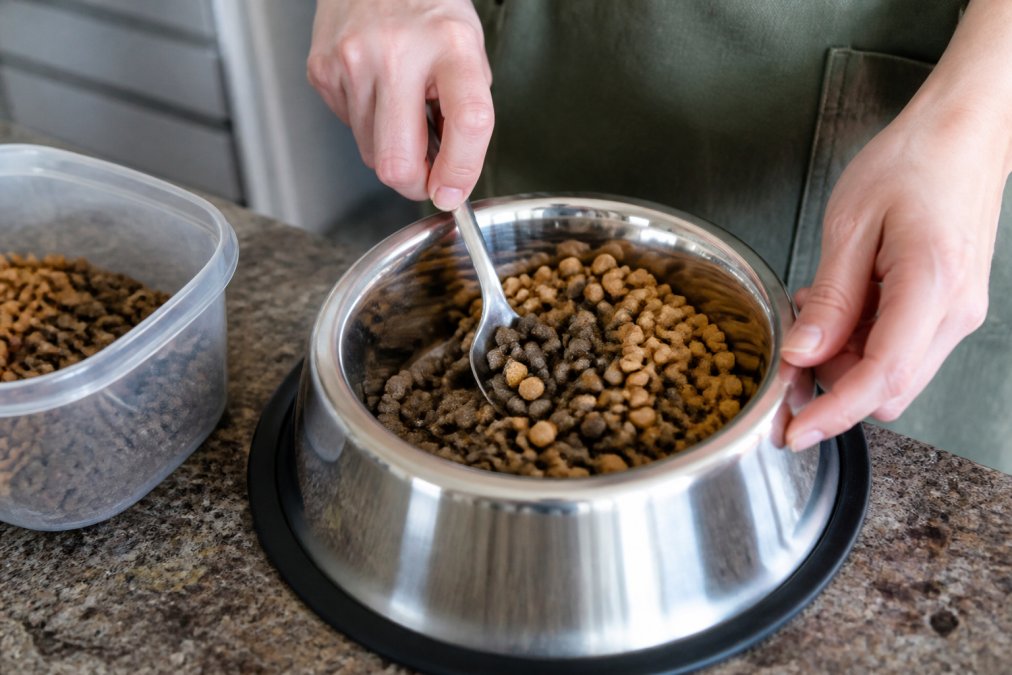
Feed this mixture for 3 to 5 days, monitoring your dog for any digestive changes. Some loose stool is normal during transitions, but vomiting or severe diarrhea signals you need to slow down further. If your dog tolerates the 25/75 blend well, proceed to the next ratio.
Watch your dog's appetite and energy levels. Are they eating eagerly? Do they seem comfortable? Some dogs are pickier about new foods, especially if they've been eating the same diet for years. If palatability is an issue, consult your veterinarian about whether the new food is appropriate or whether you need to try a different novel protein source.
Week 3-4: Gradual Increase
Move to a 50/50 blend of old and new food. Continue for 3 to 5 days at this ratio. Your dog should show no signs of digestive distress at this point. Their stool should be firm, and they should be eating normally.
This is also when you might start noticing early improvements in allergy symptoms, less scratching, clearer ears, or shinier coat. Don't get too excited yet. These early improvements are encouraging but not conclusive. Stick to the schedule.
Week 5-8: Full Transition
By week 5, transition to 75% new food and 25% old food for another 3 to 5 days. Finally, move to 100% new food. Once your dog is on the hypoallergenic diet exclusively, the real elimination trial begins. You're now in the observation window where you'll track whether symptoms actually resolve.
Maintain the 100% new diet for the full 8 to 12-week trial period. No shortcuts. No "just a little" of the old food. No table scraps, even if your dog gives you those eyes.
Using Single-Ingredient Dog Treats for Allergies
Treats are where most elimination trials derail. A single commercial treat with unknown ingredients can reintroduce the allergen and compromise weeks of dietary compliance.
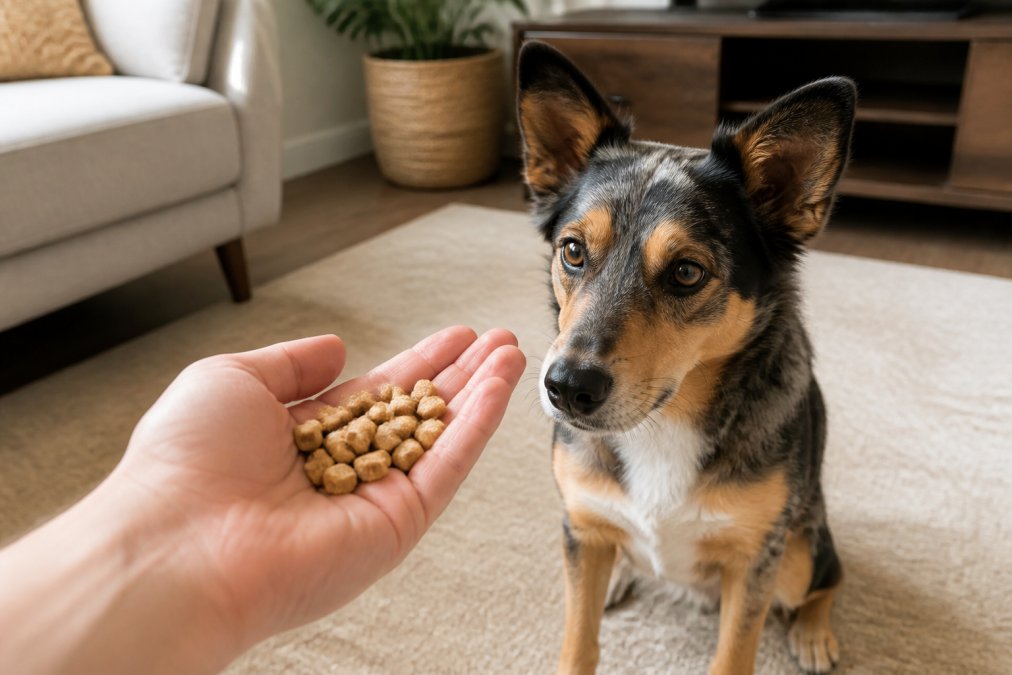
Single-ingredient treats are your safest option during an elimination trial. A treat that contains only beef liver, only pumpkin, or only sweet potato eliminates the guesswork. Your dog gets a reward without the risk of hidden allergens.
This is where Simplified Freeze Dried fits into your strategy. Our single-ingredient freeze-dried treats are minimally processed, cut once, then freeze-dried to preserve maximum nutrition. No binding agents. No fillers. No mystery ingredients hiding in the ingredient list. When you're managing a dog with food hypersensitivity, this level of transparency and purity is essential.
Choose treats that match the protein source in your dog's hypoallergenic diet. If your dog is eating venison kibble, venison treats maintain consistency. If you're using a novel protein like duck, duck treats are ideal. If you're not sure whether a treat is safe, don't give it. The risk of derailing your trial isn't worth the momentary reward.
Treats should constitute no more than 10% of your dog's daily caloric intake during the elimination trial. This keeps them as supplements, not dietary staples that could introduce new variables.
Troubleshooting Common Transition Issues
Transitions rarely go perfectly. Here's what to do when things go sideways.
Digestive upset that persists beyond week 2: If your dog continues to have loose stool or vomiting after two weeks on the new diet, the transition is too fast. Go back to the previous ratio and stay there for a full week before advancing. Some dogs have sensitive digestive systems that need slower transitions. There's no shame in taking 10 or 12 weeks instead of 8.
Refusal to eat the new food: Palatability issues are real. Some dogs are stubborn about dietary changes. Try moistening the kibble with warm water or a small amount of low-sodium broth (check the ingredient list to ensure it's compatible with the elimination diet). If your dog still refuses, discuss alternative novel protein sources with your veterinarian. A diet your dog won't eat is useless.
Symptoms worsening instead of improving: If itching, ear infections, or digestive problems intensify after switching to the new diet, the new food might not be the right match. This can happen if the new diet contains an ingredient your dog is also sensitive to, or if there's cross-contamination from treats or other sources. Review everything your dog is consuming. If you've maintained strict dietary compliance and symptoms worsen, contact your veterinarian. You may need to try a different novel protein.
Family members sneaking treats or table scraps: This is the most common reason elimination trials fail. Have a conversation with everyone in your household about the importance of dietary compliance. Explain that a single unauthorized treat can reset progress. Consider keeping the hypoallergenic food and treats in a designated area and asking family members to check before giving your dog anything.
Accidental cross-contamination: If you have multiple dogs, use separate food bowls and store their foods separately. If a family member handles another dog's food before your allergic dog's meal, they should wash their hands. This sounds excessive, but when you're trying to identify a specific allergen, every detail matters.
Tracking Progress and Managing Expectations
Document everything during your elimination trial. Keep a simple log noting the date, your dog's symptoms, stool quality, energy level, and any dietary changes or treats given. This record becomes invaluable if symptoms don't improve or if you need to adjust the plan.
Photograph your dog's skin condition before starting the trial. If your dog has visible rashes, hair loss, or chronic ear inflammation, photos provide objective evidence of improvement. Itching is subjective, you might interpret a decrease differently than your veterinarian, but a photo doesn't lie.
Set realistic expectations. If your dog has been dealing with chronic allergies for two years, eight weeks of dietary change won't erase all damage overnight. Secondary skin infections need time to heal. Inflamed ears need time to recover. What you're looking for is a clear trend toward improvement, not instant perfection.
Some owners see dramatic results within two weeks. Others see gradual improvement over the full 8 to 12-week period. Both outcomes are valid. The elimination trial is about identifying whether the new diet is helping your individual dog, not matching someone else's timeline.
After the 8 to 12-week trial, if symptoms have significantly improved, you've likely identified the culprit. Your dog will stay on this hypoallergenic diet long-term. If symptoms haven't improved, the allergen isn't a food ingredient, it's environmental. This is valuable information. A failed food trial doesn't mean the diet was wrong; it means the allergy has a different source.
Some owners then conduct a food challenge, intentionally reintroducing the old diet to confirm that symptoms return. This provides definitive proof that the food was the problem. However, this step is optional and can be stressful for your dog. Discuss it with your veterinarian.
Transitioning your dog to a hypoallergenic diet requires commitment, but the payoff is significant. When you eliminate the guesswork and follow a structured elimination trial, you gain real answers about what your dog can and cannot eat. At Simplified Freeze Dried, we understand this journey because we've designed our single-ingredient treats specifically for dogs navigating dietary restrictions. Our freeze-dried beef liver and pumpkin puree provide clean, transparent reward options that support your elimination trial without introducing hidden allergens. Start your transition with confidence, track your progress carefully, and you'll have clarity within weeks.
Frequently Asked Questions
How long does it take for a dog's allergies to improve after switching to a hypoallergenic diet?
Most dogs show improvement within 4-6 weeks of starting an elimination diet trial, though some take the full 8-12 weeks to show noticeable changes. Skin symptoms like itchiness and chronic ear infections often improve before digestive upset resolves. Keep detailed symptom records during your hypoallergenic dog food trial duration to track progress accurately. If your dog shows no improvement after 12 weeks, consult your veterinarian about other potential allergen triggers or underlying conditions.
Can I give my dog treats while on a hypoallergenic diet?
Yes, but only treats that match your elimination diet. Single-ingredient dog treats for allergies are ideal because they contain no hidden allergens, fillers, or binding agents. Avoid commercial treats with multiple ingredients, grain fillers, or preservatives that could introduce suspected allergens. Freeze-dried single-ingredient options like beef liver or pumpkin puree work well for training rewards. Always check ingredient lists carefully and ensure treats don't contain any proteins or ingredients you've eliminated during your trial.
What are the signs that my dog needs a hypoallergenic diet?
Common signs include persistent itchiness (especially paws, ears, and face), chronic ear infections, red or inflamed skin, recurring digestive upset, vomiting, or diarrhea. A dog allergic reaction to dog food may also show lethargy, poor coat quality, or excessive scratching and licking. These symptoms often indicate food hypersensitivity rather than environmental allergies. If your dog displays these signs consistently, discuss an elimination diet trial with your veterinarian to identify specific allergen triggers and determine if a hypoallergenic diet is appropriate.
Is a hypoallergenic diet a permanent solution for dogs?
Yes, if your dog has a genuine food allergy or hypersensitivity, a hypoallergenic diet is typically a long-term or permanent solution. Once you identify the specific allergen triggers through your elimination trial, your dog will need to avoid those ingredients indefinitely. However, some dogs may develop sensitivities to new proteins over time (called adverse food reactions). Regular monitoring and maintaining dietary compliance with your veterinary-prescribed diet ensures your dog stays healthy. Periodic check-ins with your veterinarian help adjust nutrition as your dog ages.
This article was written using GrandRanker