


Table of Contents
- What Makes a Treat 'Pure' and Why It Matters
- Pure Pet Treats vs. Standard Kibble-Based Snacks
- Single-Ingredient Dog Treats for Allergies: A Closer Look
- The Best Training Treats for Dogs: Size, Value, and Nutrition
- Calculating the Real Cost of Premium Treats
- How to Switch Your Pet to Pure Treats
- The Verdict: Are Pure Pet Treats Worth It?
- Frequently Asked Questions
Last Updated: September 9, 2026
What Makes a Treat 'Pure' and Why It Matters
Pet owners are asking whether premium, single-ingredient snacks justify their price tag compared to processed biscuits. The short answer is that pure pet treats often deliver better nutrition per bite, but only when the sourcing and processing match the label. A truly pure treat contains one ingredient, nothing else, making it easier to control what your dog or cat consumes daily.

At Simplified Freeze Dried, we define purity by what is absent as much as what is present. No fillers, no artificial preservatives, no binding agents, no grains, and no mystery meat byproducts. The ingredient list reads like a recipe, not a chemistry experiment. This matters most for pets with food sensitivities, where an undisclosed additive can trigger itching, digestive upset, or worse. When you choose pure pet treats, you eliminate the guesswork about what triggered a reaction.
Pure Pet Treats vs. Standard Kibble-Based Snacks
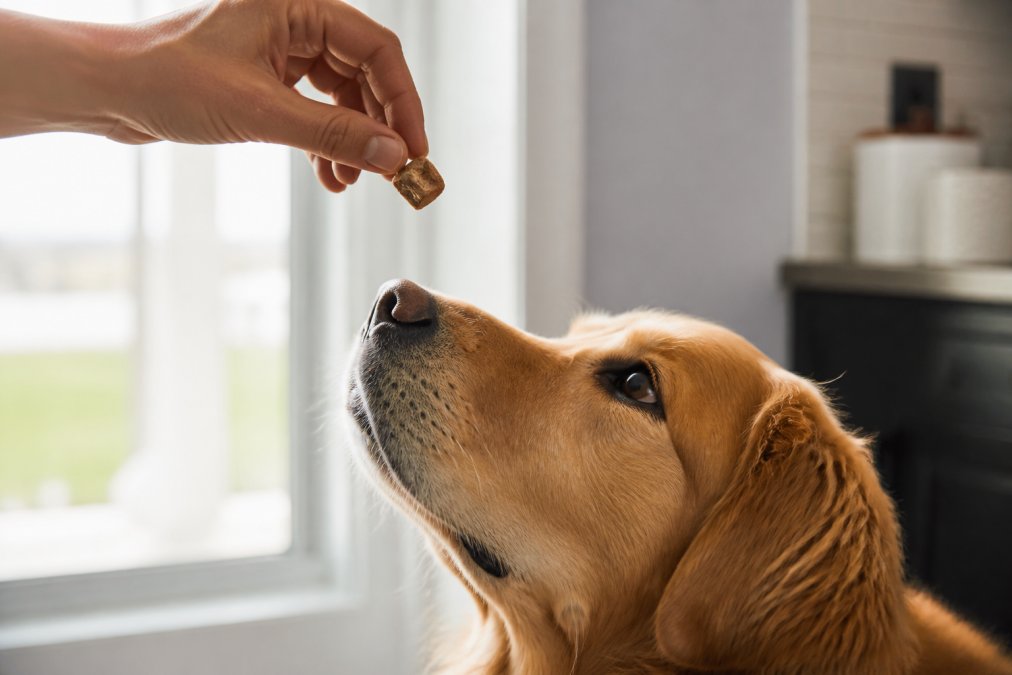
The gap between freeze-dried single-ingredient treats and standard kibble-based snacks is not subtle. Kibble-based snacks typically combine rendered meat meals, corn, wheat, soy, and artificial flavors for shelf stability and palatability. The protein content is often lower, and the carbohydrate load is significantly higher.
Freeze-dried pure treats preserve the nutritional profile of the raw ingredient because moisture is removed without heat, keeping protein content high and nutrient bioavailability strong. Rehydration is simple: add warm water to soften the treat for senior pets or turn it into a hydrating gravy topper. Standard snacks cannot match that flexibility.
| Comparison Point | Pure Freeze-Dried Treats | Standard Kibble-Based Snacks |
|---|---|---|
| Ingredient list | One item (e.g., beef liver) | Multiple fillers and additives |
| Protein content | High, minimally processed | Variable, often lower |
| Moisture level | Removed for shelf stability | Baked or extruded dry |
| Best for | Training, allergies, seniors | Occasional snacking on a budget |
Single-Ingredient Dog Treats for Allergies: A Closer Look
For dogs with confirmed or suspected allergies, single-ingredient dog treats for allergies are the safest elimination tool. When a dog reacts to a multi-ingredient snack, you cannot identify the culprit. A one-ingredient treat isolates the variable completely, allowing you to test beef, chicken, or pumpkin independently without cross-contamination from fillers.
The sourcing standard matters as much as the ingredient count. Some manufacturers use denatured meat, deemed unsafe for human consumption. Choosing a brand that uses only 100% human-grade beef liver eliminates that risk entirely. The difference directly affects whether your dog's immune system encounters a trigger.
Many pet owners report that switching to single-ingredient treats resolved chronic issues like ear infections, hot spots, and persistent scratching that vet visits could not fully explain. If your dog has a chicken allergy, a pure beef liver treat avoids the most common canine allergen altogether.
The Best Training Treats for Dogs: Size, Value, and Nutrition
The best training treats for dogs balance size, value, and nutrition. Training sessions require frequent rewards, sometimes dozens per session, so the treat must be small enough to avoid overfeeding while still motivating the dog. Our mini-sized pieces are designed specifically for this purpose. The regular size pieces are for treats only; they are too big for training and will fill your dog up before the session ends.
A bag of kibble-sized freeze-dried treats goes further than you expect because each piece is a complete reward, not a crumb of a larger biscuit. You use fewer pieces per session because the flavor intensity of freeze-dried liver is higher than processed snacks. Dogs work harder for a treat they genuinely crave.
For puppies, the soft texture of rehydrated treats is gentler on developing teeth. For senior dogs, the same treat crumbles easily or softens with warm water. A single product can serve every life stage, simplifying your shopping and reducing waste.
Calculating the Real Cost of Premium Treats
The most common objection to pure treats is the initial cost. A bag of premium freeze-dried liver may seem more expensive upfront than processed biscuits. But the per-serving math, and the long-term financial picture, tells a different story.
Breaking Down the Cost Per Serving
The key metric is not the cost per bag but the value per individual treat. Standard soft or baked snacks are often large, requiring you to break them into pieces during training. A single pure freeze-dried liver piece is potent and satisfying on its own, meaning you use fewer pieces per session. When you consider the bag's value by the number of usable rewards, the gap narrows considerably.
Soft treats frequently dry out or mold before the bag is finished, forcing you to discard a portion of what you paid for. Kibble-based snacks often contain fillers that provide empty calories, so your dog needs more of them to feel satisfied. Pure treats deliver concentrated nutrition, so a smaller quantity achieves the same reward value.
The Veterinary Savings Angle Most Reviews Miss
Most articles stop at the per-serving comparison, but the more compelling financial argument is the potential reduction in veterinary expenses over time. Pets maintained on clean, single-ingredient nutrition tend to have fewer allergy flare-ups, skin conditions, and digestive issues that drive repeated vet visits.
A single allergy episode can involve an office exam, a cytology test, a course of antibiotics or steroids, and a prescription diet change. When you compare the annual cost of managing a treat-related allergy episode against the modest premium you pay for pure treats, the pure option looks less like an indulgence and more like preventive care.
This is not a guarantee, genetics and environment play significant roles in health outcomes. But the logic is straightforward: investing in quality treats now can potentially lead to fewer vet visits later.
The Waste Factor
Freeze-dried treats have excellent shelf stability when stored properly in a cool, dry place, so you rarely throw away stale or spoiled products. Standard soft treats often dry out or mold before the bag is finished, effectively raising their true cost per usable piece. And because pure treats are concentrated, you buy less volume overall, which means less packaging ends up in the landfill.
A Framework for Your Own Calculation
To evaluate the value for your specific dog, track these numbers over two weeks:
- Count the treats you actually use per day for training, enrichment, and rewards.
- Note how many treats get thrown away due to staleness, breakage, or refusal.
- Divide the bag's value by the number of usable treats to get your true value per reward.
- Compare that number against your current snack, using the same method.
This simple exercise reveals whether the premium is real or imagined for your situation.
How to Switch Your Pet to Pure Treats
Switching your pet to pure treats requires more than swapping one bag for another. A sudden change in protein source and carbohydrate content can upset a sensitive digestive system. A gradual transition protects your pet's gut and helps you accurately assess whether the new treat agrees with them.
The 14-Day Transition Protocol
This timeline works for most dogs and cats, but adjust the pace if your pet has a particularly sensitive stomach or a history of dietary intolerance.
Days 1-3: The Introduction Phase
Replace one out of every four of your pet's regular treats with the new pure option. Keep the rest of their diet completely unchanged. Monitor stool consistency, energy levels, and skin condition daily. If you notice any soft stool or itching, hold at this ratio for an extra two days before progressing.
Days 4-7: The Building Phase
Increase the ratio to half pure treats and half old treats. Some pets experience looser stools during this phase as their digestive system adjusts to a higher protein load, especially if they were previously eating high-carbohydrate snacks. This is normal, but it should resolve within a few days. If it does not, revert to the previous ratio and consult your veterinarian.
Days 8-10: The Majority Phase
Move to three-quarters pure treats. By this point, most pets have adjusted without issue. If your pet is a picky eater, they may hold out for the old treats. Do not give in, offer the pure treat first, and if they refuse, wait 15 minutes before offering again.
Days 11-14: The Full Switch
Replace all treats with the pure option. Continue monitoring for another week to confirm the transition is complete. If any digestive upset appears during this final phase, it may indicate a sensitivity to the specific protein source rather than the transition itself.
Troubleshooting Common Transition Issues
Loose Stools
A sudden increase in protein can cause loose stools as the digestive system produces more enzymes to break it down. Slowing the transition usually resolves this. You can also rehydrate the treats with warm water before offering them, which aids digestion.
Refusal to Eat
Some pets are creatures of habit and will turn up their noses at anything unfamiliar. Crumble the pure treat over their regular food or mix it with a small amount of peanut butter (xylitol-free) to encourage acceptance. Once they recognize the flavor, they will typically accept the treat on its own.
Skin or Ear Issues
If you see scratching, redness, or head shaking during the transition, stop immediately and revert to the old treats. These symptoms may indicate a true allergy to the new protein source. Wait two weeks, then try a different single-ingredient option.
Special Considerations for Different Life Stages
Puppies and Kittens
Young animals have developing digestive systems. Extend the transition timeline to three full weeks, and rehydrate treats with warm water to create a softer texture that is gentler on developing teeth.
Senior Pets
Older pets often have reduced digestive enzyme production and dental issues. Rehydrate treats thoroughly and consider crumbling them over food rather than offering whole pieces. The mini-sized pieces are ideal for senior pets because they are easier to chew and digest.
Pets with Known Allergies
If your pet has a confirmed allergy, skip the gradual transition and introduce the new single-ingredient treat in isolation. Offer a small piece and watch for 24 to 48 hours for any reaction. Keep a food diary during this period.
Storage Best Practices
Proper storage maintains texture and prevents moisture absorption, the only real enemy of freeze-dried products. Keep the bag tightly sealed in a cool, dry place away from direct sunlight. Avoid storing in the refrigerator, where condensation can introduce moisture. When stored correctly, freeze-dried treats maintain their quality for up to two years.
The Verdict: Are Pure Pet Treats Worth It?
Pure pet treats are a worthwhile investment for owners who prioritize ingredient transparency, allergy management, and effective training rewards. The premium reflects real differences in sourcing, processing, and nutritional density that standard snacks do not offer. For pets with known allergies or sensitivities, the choice is almost mandatory rather than optional.

The best value comes from choosing treats that serve multiple purposes. A freeze-dried beef liver product that works for dogs and cats, comes in kibble-sized pieces for training, and can be rehydrated for seniors delivers more utility than a single-purpose snack. Simplified Freeze Dried offers exactly that combination: single-ingredient, human-grade beef liver and pumpkin options, made in the Midwest with 100% American ingredients.
When you weigh the reduction in waste and the potential savings on veterinary care, the gap between premium and standard narrows considerably. The decision ultimately comes down to what you want your pet to consume and how much control you want over their nutrition.
Frequently Asked Questions
Do vets recommend single-ingredient dog treats?
Many veterinarians do recommend single-ingredient treats, especially for dogs with food sensitivities or allergies. A treat with one protein source makes it easier to identify what your dog can tolerate. It also eliminates the risk of hidden fillers, artificial preservatives, or grains that can trigger reactions. For pets with known allergies, a pure treat like freeze-dried beef liver offers a simple, controlled option. Always check with your vet before introducing any new food, particularly if your pet has a history of dietary issues.
What is the healthiest brand of dog treats?
The healthiest option is rarely a single brand, but rather a product with a short, transparent ingredient list. Look for treats that list one whole-food ingredient, like beef liver or pumpkin. Brands that source human-grade, American-raised meat and avoid denatured proteins offer higher quality and safety. Freeze-dried treats retain more nutrients than heavily processed baked options. For many pet owners, a single-ingredient freeze-dried treat from a company that is transparent about its sourcing is the healthiest choice.
Why are single-ingredient treats often recommended for training?
Single-ingredient treats are ideal for training because they are typically high-value to dogs, making them more motivating than bland kibble. Since they are pure protein, a small piece is satisfying, which helps keep your dog focused during sessions. For training, our mini-sized pieces are perfect because they are small enough for frequent rewards without overfeeding. The regular size pieces are better suited for treat times, as they are too big for training. This allows you to reward good behavior without disrupting their daily calorie intake.
How do I determine if a premium pet treat is worth the investment?
To determine if a premium treat is worth it, compare the ingredient list and sourcing against the cost per day. A cheaper treat filled with fillers may require more pieces to satisfy your pet, while a nutrient-dense, single-ingredient treat offers more value per piece. Factor in potential long-term savings from better digestive health and fewer allergy-related vet visits. The quality of the protein source matters; 100% human-grade beef liver provides more bioavailable nutrients than a treat made with lower-quality meat by-products.
Choosing pure pet treats is a commitment to ingredient transparency that pays off in your pet's daily health and your peace of mind. The challenge is finding a brand that matches its claims with verifiable sourcing standards. Simplified Freeze Dried offers single-ingredient, human-grade beef liver and pumpkin treats that work for both dogs and cats, with kibble-sized pieces ideal for training. Get started with Simplified Freeze Dried and give your pet treats you can trace to the source.