


Table of Contents
- What Makes Freeze Dried Pet Snacks Different?
- Nutritional Benefits of Freeze Dried Pet Snacks vs. Dehydrated
- Why Single-Ingredient Pet Treats Support Better Health
- Choosing the Best Healthy Training Treats for Dogs
- The Freeze Drying Process: How It Preserves Nutrients
- How to Transition Your Pet to Freeze Dried Snacks
- Storing Freeze Dried Treats for Maximum Freshness
- Conclusion
- Frequently Asked Questions
Last Updated: September 8, 2026
What Makes Freeze Dried Pet Snacks Different?
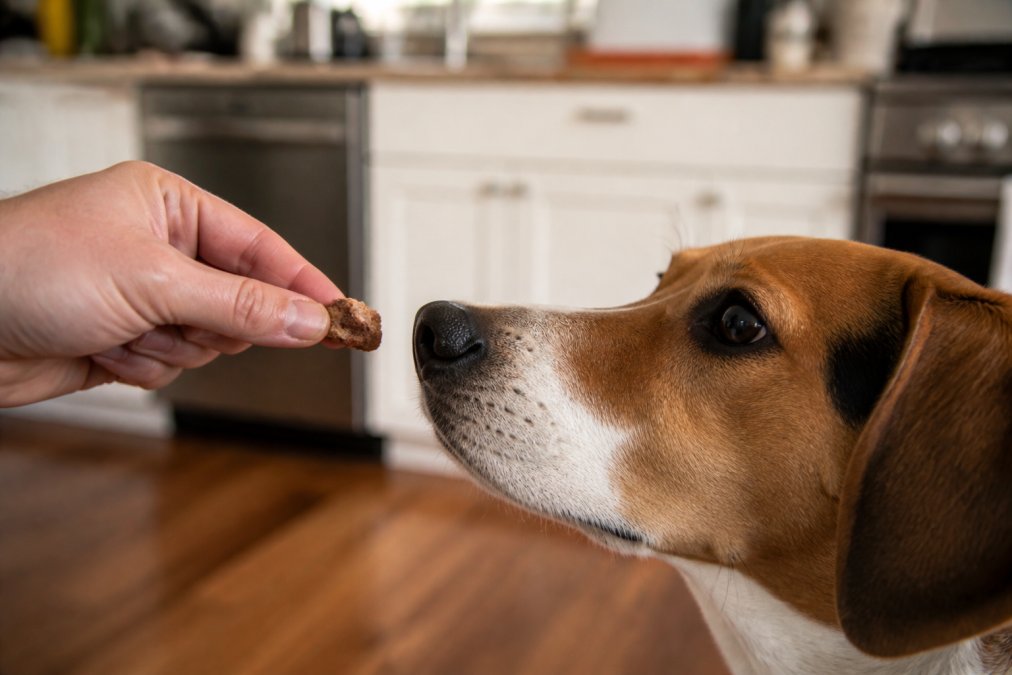
Freeze dried pet snacks are whole-food treats that have had their moisture removed through sublimation, a process that turns ice directly into vapor without ever passing through liquid form. This gentle method preserves the cellular structure of the original ingredient, keeping vitamins, minerals, and enzymes largely intact. The result is a crunchy, shelf-stable snack that delivers concentrated nutrition in every bite.
Most commercial treats undergo high-heat processing that degrades sensitive nutrients. Freeze drying avoids that entirely, which is why many pet owners describe these snacks as the closest thing to feeding raw meat without the mess and food safety concerns. Because the treats remain minimally processed, they retain their natural flavor and aroma, making them highly palatable even for picky eaters.
Nutritional Benefits of Freeze Dried Pet Snacks vs. Dehydrated
The nutritional benefits of freeze dried pet snacks become clearest when compared side by side with dehydrated alternatives. Both methods remove moisture to extend shelf life, but they operate at fundamentally different temperatures, which drives a measurable difference in what survives the process.
Dehydration typically uses sustained heat between 125°F and 160°F over several hours. That heat is effective at driving out moisture, but it takes a toll on heat-sensitive micronutrients. Water-soluble vitamins, particularly the B-complex family (thiamine, riboflavin, niacin) and vitamin C, begin to degrade at temperatures above 115°F. Enzymes, which are protein-based catalysts that support digestion, are also denatured by sustained heat. The longer the drying time and the higher the temperature, the greater the loss.
Freeze drying, by contrast, operates at temperatures below freezing, often as low as -30°F to -50°F during the sublimation phase. Because heat is never applied, the molecular structure of vitamins, enzymes, and antioxidants remains largely intact. This is why freeze-dried ingredients retain up to 97% of their original nutrient content, while dehydrated ingredients typically retain only 60-80%, depending on the specific nutrient and drying time.
A Nutrient-by-Nutrient Comparison
To understand what these differences mean for your pet, it helps to look at specific nutrients:
- Vitamin B1 (Thiamine): Critical for carbohydrate metabolism and neurological function. Thiamine is highly heat-sensitive. Dehydration can destroy up to 50% of thiamine content, while freeze drying preserves nearly all of it.
- Vitamin C: An antioxidant that supports immune health. While dogs synthesize their own vitamin C, the antioxidant properties still play a role in reducing oxidative stress. Heat exposure during dehydration degrades vitamin C rapidly; freeze drying preserves it.
- Omega-3 Fatty Acids (EPA/DHA): Found in fish-based treats, these fatty acids support skin, coat, and joint health. They are prone to oxidation at high temperatures. Freeze drying protects them from heat damage, keeping them bioavailable.
- Enzymes: Naturally occurring enzymes like protease and lipase assist in breaking down proteins and fats. These are completely deactivated by the heat of dehydration. Freeze drying keeps them in their native state, which can ease the digestive burden on pets with sensitive stomachs.
- Taurine: An essential amino acid for cats that is particularly fragile. Heat processing can reduce taurine levels significantly. Freeze drying preserves taurine, making it a safer choice for feline diets.
Texture and Palatability Trade-offs
The processing method also affects the physical structure of the treat. Freeze drying creates a porous, crunchy matrix because the ice crystals sublimate and leave behind air pockets. This texture is highly palatable to most pets and can even help with mild dental abrasion, similar to how crunchy kibble helps scrape away plaque.
Dehydrated treats, on the other hand, are denser and chewier. Some pets prefer this texture, particularly older dogs with dental issues who cannot manage hard crunch. However, the chewy texture often requires more chewing effort, which can be a drawback for cats or small-breed dogs.
Rehydration: A Practical Difference
Because freeze-dried treats have a porous structure, they rehydrate almost instantly when mixed with warm water. This makes them an excellent option for adding moisture to a pet's diet, which is particularly beneficial for cats who are prone to urinary tract issues and often do not drink enough water. Dehydrated treats take longer to rehydrate and may require soaking to become palatable.
For pet owners looking to use treats as a meal topper or to encourage hydration, freeze-dried options offer a clear practical advantage. Simply crumble a piece over your pet's food and add a splash of water to create a nutrient-rich gravy.
The Bottom Line on Processing
When you compare the two methods, the nutritional benefits of freeze dried pet snacks are not marginal, they are substantial. The low-temperature process preserves the full spectrum of vitamins, minerals, enzymes, and fatty acids that are present in the raw ingredient. Dehydration, while a viable preservation method, inherently sacrifices heat-sensitive nutrients. For pet owners prioritizing maximum nutritional density, freeze drying is the superior choice.
Why Single-Ingredient Pet Treats Support Better Health
Single-ingredient pet treats eliminate the guesswork that comes with multi-component snacks. When a treat contains one named protein or vegetable, you know exactly what your pet is consuming. This matters enormously for animals with food sensitivities or allergies, where hidden fillers, synthetic additives, and binding agents can trigger reactions that are difficult to trace.
The clean-label approach also supports metabolic health. Without added sugars, salts, or artificial preservatives, single-ingredient treats provide pure nutrition without unnecessary calories. Many pet owners report improvements in coat health and energy levels after switching from processed snacks to whole-food options.
Choosing the Best Healthy Training Treats for Dogs
The best healthy training treats for dogs balance three priorities: small size, high value, and clean ingredients. Training rewards need to be delivered quickly and frequently, so kibble-sized pieces are ideal. Most dogs will work harder for a novel, aromatic reward than for their regular kibble, which is why freeze-dried liver treats are a favorite among professional trainers.


When selecting training treats, consider the calorie density. Freeze drying concentrates nutrients, meaning a tiny piece delivers significant flavor and nutrition. This allows you to reward generously without overfeeding. At Simplified Freeze Dried, we offer mini-sized pieces specifically designed for training sessions. The regular size pieces are for treats only, they're too big for training.
A common mistake is choosing treats based on what you like rather than what your dog finds motivating. Test a few single-ingredient options to discover your dog's preference. Many dogs respond powerfully to beef liver, while others prefer fish or pumpkin-based treats.
The Freeze Drying Process: How It Preserves Nutrients
Freeze drying, also known as lyophilization, is a three-stage process that removes moisture while keeping the molecular structure of the food intact. Understanding these stages helps explain why freeze-dried snacks retain more nutritional value than any other preservation method short of fresh raw food.
Stage 1: Flash Freezing
The ingredient is rapidly frozen at temperatures between -30°F and -50°F. The speed of this freezing matters. Rapid freezing creates smaller ice crystals, which cause less cellular damage than slow freezing. When ice crystals form slowly, they grow large and can puncture cell walls, leading to nutrient loss when the food thaws. Flash freezing minimizes this damage, preserving the integrity of each cell.
Stage 2: Primary Drying (Sublimation)
The frozen ingredient is placed in a vacuum chamber where pressure is lowered to just above the triple point of water. Under these conditions, the frozen water transitions directly from solid ice to vapor without ever becoming liquid. This is sublimation. The vacuum chamber gently draws off the vapor, removing about 95% of the water content.
Because this process occurs at low temperatures, heat-sensitive nutrients remain stable. The vacuum environment also limits oxidation, protecting fats and fat-soluble vitamins like A, D, and E from degradation.
Stage 3: Secondary Drying (Desorption)
A small amount of bound water remains after primary drying. The temperature is slowly raised to between 60°F and 90°F under continued vacuum to remove this residual moisture. This stage brings the final moisture content down to 1-4%, which is what makes freeze-dried treats shelf-stable without refrigeration.
Why This Process Matters for Specific Nutrients
The freeze drying process is not just about keeping nutrients "intact", it is about keeping them bioavailable. Bioavailability is the measure of how much of a nutrient your pet's body can actually absorb and use. A nutrient can be present in food but still be useless if the digestive system cannot access it.
- Proteins: The amino acid profile of the source ingredient remains unchanged. Heat processing can cause Maillard reactions, where proteins bind with sugars and become less digestible. Freeze drying avoids this entirely, meaning the protein in a freeze-dried beef liver treat is as digestible as fresh liver.
- Vitamins: Fat-soluble vitamins (A, D, E, K) are stable under vacuum conditions. Water-soluble vitamins (B-complex, C) are preserved because no heat is applied. This is a distinct advantage over dehydrated or baked treats.
- Minerals: Minerals like calcium, phosphorus, and potassium are inherently heat-stable, but freeze drying ensures they remain in their natural, chelated form, which is more easily absorbed than synthetic mineral additives.
- Antioxidants: Compounds like glutathione and superoxide dismutase, which are naturally present in raw organ meats, are preserved. These antioxidants support cellular health and help combat oxidative stress associated with aging.
The Shelf-Life Advantage
Freeze drying removes enough moisture to halt microbial growth and enzymatic activity that cause spoilage. An unopened package of freeze-dried treats can last 1-2 years when stored in a cool, dry place. Once opened, the treats remain fresh for 4-6 weeks if the package is properly resealed after each use. This extended shelf life means you can buy in bulk without worrying about waste, and you always have a high-value reward on hand.
A Note on Raw Food Safety
Because freeze-dried treats are not cooked, they retain the raw nutritional profile of the original ingredient. This is a benefit nutritionally, but it also means the same food safety precautions apply as with raw meat. Choose treats from brands that source from USDA-inspected facilities and test for pathogens like Salmonella and E. coli. The freeze drying process itself does not kill bacteria, it only stops their growth. High-quality manufacturers screen raw ingredients before processing and test finished products to ensure safety.
The Practical Takeaway
The freeze drying process is the closest you can get to feeding raw food without the mess, the thawing time, or the short refrigerator shelf life. It preserves the nutritional complexity of whole ingredients, the vitamins, minerals, enzymes, and antioxidants, that are often destroyed by heat-based processing. For pet owners who want to provide whole-food nutrition, freeze-dried snacks are a practical way to do it consistently.
How to Transition Your Pet to Freeze Dried Snacks
Switching your pet to freeze dried snacks is straightforward, but a gradual approach prevents digestive upset. Start by offering a single small piece alongside your pet's regular treats. Observe how your pet responds over 24 to 48 hours, watching for any changes in stool consistency or energy levels.
Once your pet tolerates the new treat well, you can increase frequency gradually. Most pets adapt within a week. For cats, introduce freeze-dried treats slowly since their digestive systems are more sensitive to dietary changes. Always provide fresh water, as freeze-dried foods will draw moisture during digestion.
Storing Freeze Dried Treats for Maximum Freshness
Proper storage keeps freeze-dried treats crunchy and flavorful for months. Because the moisture has been removed, the primary threat is rehydration from ambient humidity. Store treats in an airtight container, ideally glass or food-grade plastic, away from direct sunlight and heat sources.
Vacuum-sealed packaging extends shelf life significantly. Once opened, most freeze-dried treats remain fresh for several weeks when stored properly. If you live in a humid climate, consider adding a food-safe desiccant packet to absorb excess moisture. Never refrigerate freeze-dried treats, as condensation can introduce moisture and compromise their texture.
Conclusion
The nutritional benefits of freeze dried pet snacks come down to a simple principle: fewer processing steps mean more nutrients reach your pet. Single-ingredient, freeze-dried treats offer superior bioavailability, cleaner ingredients, and a texture that dogs and cats find irresistible. Whether you're training a new puppy or supporting an aging companion, these snacks deliver whole-food nutrition in its most concentrated form.
Frequently Asked Questions
Are freeze-dried snacks healthy for dogs?
Yes, freeze-dried snacks are healthy for dogs when they are made from single, high-quality ingredients. The freeze-drying process preserves the natural vitamins, minerals, and enzymes found in raw meat without high-heat processing. This makes them a nutrient-dense option that supports your dog's coat health, digestion, and overall wellness. Look for treats with no synthetic additives, fillers, or binding agents to get the most benefit.
What makes single-ingredient freeze-dried snacks superior to processed treats?
Single-ingredient freeze-dried snacks are superior because they offer complete transparency and minimize the risk of food sensitivities. With one protein source, like beef liver, you know exactly what your pet is eating. Processed treats often contain synthetic additives, grains, and multiple protein sources that can trigger allergies. A single-ingredient treat also delivers a concentrated source of protein and amino acids without unnecessary fillers.
Can freeze-dried snacks be used for pet training?
Absolutely. Freeze-dried snacks are excellent for training because they are high-value and highly palatable, which keeps your pet's attention. For training, choose mini-sized or kibble-sized pieces to avoid overfeeding during sessions. Our mini-sized pieces are perfect for this purpose, as the regular size is intended for treats only and is too big for training. They are mess-free, making them easy to carry in a pocket or training pouch.
Do veterinarians recommend freeze-dried treats for pets?
Many veterinarians recommend freeze-dried treats because they are minimally processed and retain more of the natural nutrients found in whole foods. They are often a better alternative to treats with high-heat processing and synthetic additives. When choosing a freeze-dried treat, look for ones that are single-ingredient and sourced from high-quality, human-grade meat to ensure food safety and maximum nutritional benefit for your pet.
Choosing the right treats for your pet shouldn't require a degree in nutrition science. Simplified Freeze Dried makes it simple with single-ingredient, human-grade beef liver and American pumpkin treats crafted in rural Iowa. Our mini-sized pieces are perfect for training, while regular pieces work well as everyday rewards. Get started with Simplified Freeze Dried and give your pet the clean, nutrient-dense snacks they deserve.