


Table of Contents
- Can Cats Eat Organ Meat?
- Nutritional Benefits of Organ Meat for Felines
- Common Organ Types: Liver, Kidney, and Heart
- How Much Liver Can I Give My Cat?
- How to Prepare Organ Meat for Cats
- Organ Meat for Homemade Cat Food
- Risks and Safety Considerations
- Introducing Organ Meat Gradually
- Frequently Asked Questions
Last Updated: October 8, 2026
Can Cats Eat Organ Meat?
Yes, cats can eat organ meat safely when prepared correctly and incorporated thoughtfully into their diet. Organ meat for cats provides concentrated nutrition that whole muscle meat alone cannot match. However, organ meat is not a complete diet on its own, it works best as part of a balanced feeding plan.
At Simplified Freeze Dried, we understand that pet parents want to offer their cats the most nutrient-dense foods available. Organ meats like liver, kidney, and heart deliver essential vitamins and minerals that support feline health. The key is knowing how much to feed, how to prepare it, and how to introduce it gradually.

Cats are obligate carnivores, meaning they thrive on animal protein. Their bodies have evolved to extract maximum nutrition from meat. This makes organ meat an excellent addition to their diet, if you approach it strategically. Many cat owners assume all meat is equal, but organ meat is fundamentally different from muscle meat in terms of nutrient density and how it should be portioned.
Nutritional Benefits of Organ Meat for Felines
Organ meat for cats delivers nutrients that are difficult to obtain from muscle meat alone. Liver is the most nutrient-dense organ, packed with vitamins A, B12, and iron. Kidney provides selenium and other trace minerals. Heart contains taurine, an essential amino acid cats cannot synthesize themselves.
These nutrients support critical feline functions:
- Vitamin A: Supports vision and immune health
- B vitamins: Aid energy metabolism and nervous system function
- Iron: Prevents anemia and supports oxygen transport
- Taurine: Essential for heart and eye health
- Copper and zinc: Support immune function and skin health
The nutrient density of organ meat means a small amount goes a long way. This is why portion control matters, too much of a good thing can create nutritional imbalance rather than improve health.
Many cat owners discover that adding organ meat makes their cats' coats shinier and their energy levels more stable. This happens because organ meat fills nutritional gaps that commercial kibble may not fully address. However, the improvement depends on starting with the right portions and maintaining balance with other foods.
Common Organ Types: Liver, Kidney, and Heart
Three organs stand out as safe and beneficial for cats: liver, kidney, and heart. Each offers different nutritional profiles and should be approached slightly differently.
Liver is the most nutrient-dense option. It's rich in vitamin A, B vitamins, and iron. Liver is also the most palatable for most cats, they tend to enjoy its flavor.
Kidney provides a different nutrient profile. It's rich in selenium, B12, and other minerals. Kidney has a stronger smell and taste than liver, so some cats take longer to accept it.
Heart is technically a muscle organ, not a true organ meat. It's leaner than liver or kidney and contains taurine, which is crucial for feline heart health.
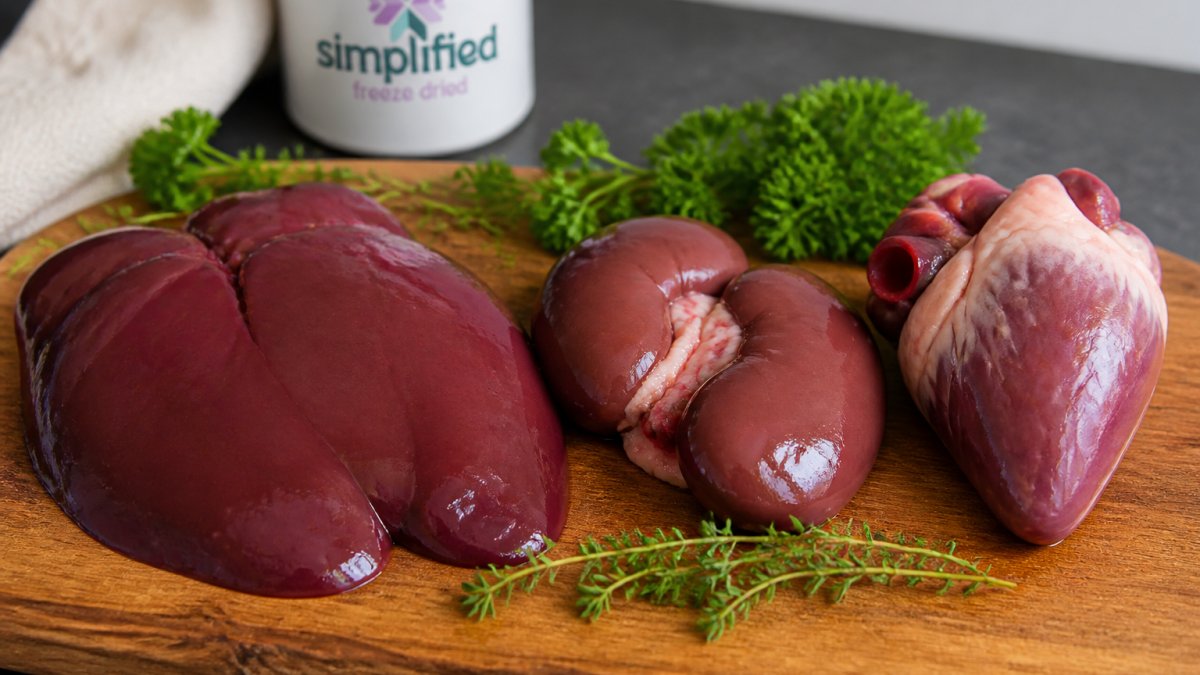
Each organ works best when sourced from grass-fed beef and handled safely. At Simplified Freeze Dried, we use only 100% human-grade beef liver sourced from the United States. Our freeze-drying process preserves all the nutrients without requiring additives or preservatives.
How Much Liver Can I Give My Cat?
The question of how much liver can I give my cat doesn't have a one-size-fits-all answer. It depends on your cat's size, age, and overall diet composition.
A general guideline: organ meat should make up no more than 5-10% of your cat's daily caloric intake. For a typical adult cat eating 200 calories per day, this means 10-20 calories from organ meat, roughly the size of a small dice cube.
Here's how this breaks down by feeding pattern:
- Daily feeders: 1-2 small pieces (roughly the size of a pea)
- 3-4 times per week: 2-3 small pieces per serving
- Weekly treat: A slightly larger portion, up to the size of a small marble
The portions seem tiny, but remember that organ meat is extremely nutrient-dense. A small amount delivers significant nutritional value. Overfeeding organ meat is a common mistake that leads to nutritional imbalance rather than improvement.
Liver specifically requires more caution than kidney or heart because of its vitamin A content. If you're feeding liver daily, keep portions at the smaller end of the range.
Your cat's individual needs matter too. A senior cat with kidney issues needs different portions than a young, healthy adult. A cat with a sensitive digestive system needs a slower introduction and smaller ongoing portions than a strong cat with an iron stomach.
How to Prepare Organ Meat for Cats
Preparation method matters more than most cat owners realize. The way you handle organ meat affects both safety and nutrition.
Raw organ meat requires careful food safety practices. If you choose to feed raw, source from reputable suppliers who handle meat for human consumption. Freeze the organ meat for at least 7-10 days before serving to reduce pathogenic risk.
Cooked organ meat is safer for most households. Gentle cooking preserves most nutrients while reducing foodborne pathogen risk. Boil or lightly steam organ meat without salt, seasoning, or added fats. Avoid high-heat cooking like frying, which can damage heat-sensitive nutrients.
Freeze-dried organ meat combines safety with convenience. The freeze-drying process removes moisture without using heat, which preserves nutrients better than cooking. Freeze-dried products like those from Simplified Freeze Dried require no thawing or preparation, just portion and serve. They're shelf-stable and free from pathogenic risk.
The preparation method you choose affects how easily your cat's digestive system accepts the organ meat. Raw and freeze-dried are closer to what cats would eat in nature. Cooked organ meat is gentler on sensitive digestive systems but slightly less nutrient-dense due to heat exposure.
Organ Meat for Homemade Cat Food
Building a complete homemade cat food diet that includes organ meat requires planning. You can't simply add organ meat to muscle meat and call it balanced, cats need specific nutrient ratios that homemade diets often miss.
Simplified Freeze Dried Beef Liver Treats for Dogs & Cats →
A basic balanced homemade cat food formula includes:
- Muscle meat: 70% of the diet (chicken, beef, fish)
- Organ meat: 10% of the diet (liver, kidney, heart)
- Fat source: 5% of the diet (fish oil, chicken fat)
- Supplements: Taurine, vitamin E, thiamine (vitamin B1), and a feline mineral mix
The organ meat portion of your homemade diet should itself be varied. Don't feed only liver. Rotate between liver (2-3 times per week), kidney (1-2 times per week), and heart (2-3 times per week). This rotation prevents nutrient imbalances while ensuring your cat gets the benefits of each organ's unique profile.
Many cat owners underestimate the complexity of formulating a nutritionally complete homemade diet. Missing even one essential nutrient can create problems over months. If you're serious about homemade feeding with organ meat, consult with a veterinary nutritionist to ensure your formula meets all requirements.
Alternatively, you can use commercial complete-and-balanced cat food as your base and add small amounts of organ meat as a topper. This approach is simpler and ensures your cat gets a nutritionally complete foundation. Simplified Freeze Dried's Magic Dust topper can be added to any cat food to boost nutrition without disrupting the base diet's balance.

Risks and Safety Considerations
Organ meat carries specific risks that muscle meat doesn't. Understanding these risks helps you feed safely.
Vitamin A toxicity is the most common risk with organ meat, particularly liver. Cats cannot excrete excess vitamin A the way humans do. It accumulates in their tissues over time.
Foodborne pathogens like E. coli and Salmonella can contaminate organ meat. Raw feeding increases this risk.
Nutritional imbalance occurs when organ meat replaces too much of your cat's regular diet. Organ meat is nutrient-dense but not complete. Feeding more than 10% of daily calories from organ meat can skew nutrient ratios and create deficiencies in other areas.
Digestive upset happens when organ meat is introduced too quickly. Cats have sensitive digestive systems adapted to specific foods. A sudden change can cause vomiting or diarrhea. Gradual introduction prevents this.
Kidney disease considerations: Cats with kidney disease need careful monitoring with organ meat. Organ meats are higher in certain minerals that stressed kidneys must filter. Work with your veterinarian before adding organ meat to a kidney-disease diet.
Introducing Organ Meat Gradually
The introduction process determines whether your cat accepts organ meat and tolerates it well. Rushing this step leads to digestive upset and rejection.
Week 1: Offer a tiny piece, roughly the size of a pea, mixed into your cat's regular food. Most cats won't notice it at this stage. The goal is exposure, not consumption.
Week 2-3: Increase to 2-3 small pieces mixed into regular food. Watch for acceptance and any digestive changes. Some cats take to organ meat immediately. Others need more time. Patience pays off.
Week 4+: If your cat is tolerating organ meat well, you can offer it as a small standalone treat or continue mixing it into regular food.
The entire introduction can take 2-4 weeks for sensitive cats. This isn't wasted time, it's building a habit your cat's digestive system can handle long-term.
Signs your cat is ready to move forward:
- No vomiting or diarrhea after meals
- Normal energy levels
- Continued interest in regular food
- Healthy coat and skin
Signs to slow down or pause:
- Digestive upset after introduction
- Loss of appetite for regular food
- Lethargy or behavioral changes
- Excessive grooming or scratching
Some cats never fully accept organ meat as a standalone treat. That's fine. Mixing small amounts into regular food provides the nutritional benefits without the hassle of a picky eater.
| Introduction Phase | Portion Size | Frequency | Duration |
|---|---|---|---|
| Week 1 | Pea-sized piece | Once daily mixed in | 7 days |
| Week 2-3 | 2-3 small pieces | Once daily mixed in | 10-14 days |
| Week 4+ | Small marble size | 3-4 times per week | Ongoing |
Incorporating organ meat into your cat's diet is a commitment to nutrient-dense feeding. At Simplified Freeze Dried, we make this easier with freeze-dried beef liver that requires no preparation, just portion and serve.
Frequently Asked Questions
Is it safe to feed beef liver to my cat?
Yes, beef liver is safe for cats when fed in appropriate portions as part of a balanced diet. Liver is nutrient-dense and provides essential vitamins like A and B12, plus iron and taurine. However, excessive liver consumption can lead to vitamin A toxicity, so limit it to 5-10% of your cat's daily caloric intake. Always source human-grade liver from reputable suppliers to avoid contamination risks.
Can cats eat organ meat every day?
Organ meat should not be fed daily. Most veterinarians recommend limiting organ meat to 2-3 times per week as a supplement to a complete and balanced diet. Feeding organ meat every day can create nutritional imbalances and increase the risk of vitamin A toxicity, particularly with liver. Rotate organ meats with other protein sources to maintain dietary variety and proper nutrient ratios.
How do you prepare organ meat for cats safely?
Organ meat can be served raw or cooked. If feeding raw, source only human-grade meat and handle it with the same food safety practices you'd use for your own meals. For cooked preparation, boil or lightly steam without added seasonings, oils, or salt. Cool completely before serving. Freeze-dried organ meat like our beef liver treats eliminates pathogens through the freeze-drying process while preserving nutrients, making it a convenient and safe option.
What organ meats are best for cats?
Liver, kidney, and heart are the most beneficial organ meats for cats. Liver is the most nutrient-dense, offering vitamins A, B12, iron, and copper, but must be limited due to vitamin A content. Kidney and heart provide excellent protein and taurine with lower vitamin A levels, making them safer for more frequent feeding. Heart is particularly high in taurine, which is essential for feline cardiac health. Rotate between these organs to maximize nutritional benefits.