


Table of Contents
- Why Your Dog Refuses Processed Treats
- Common Reasons Dogs Reject Store-Bought Treats
- How to Identify Filler-Free Dog Treats
- Alternatives to Processed Dog Treats for Picky Eaters
- Transitioning Your Dog to Healthier Treats
- What Makes Single-Ingredient Treats Different
- Frequently Asked Questions
Last Updated: September 25, 2026
Why Your Dog Refuses Processed Treats
Your dog turns away from store-bought treats while eyeing your snack. That reaction tells you something important: processed treats often contain ingredients dogs instinctively reject. At Simplified Freeze Dried, we've observed that dogs with sensitivities or picky eating habits respond dramatically differently to single-ingredient options compared to commercial blends loaded with fillers and binders.

When a dog refuses processed treats consistently, the cause is rarely laziness or pickiness. Most often, it's a signal that the treat doesn't meet their nutritional expectations or contains ingredients their digestive system flags as problematic. Understanding why your dog refuses processed treats helps you choose better alternatives that your dog will actually eat, and that support their long-term health.
Common Reasons Dogs Reject Store-Bought Treats
Low-Quality Fillers and Binders
Store-bought treats frequently rely on cheap fillers, corn meal, wheat gluten, and potato starch, to bulk up the product at minimal cost. Dogs evolved eating whole foods, not processed grain blends. When a dog refuses processed treats containing these fillers, they're responding to an unfamiliar texture and lack of nutritional density.
Fillers also affect digestibility. A dog's stomach recognizes whole proteins and simple carbohydrates more readily than industrial binders. The result: your dog may ignore the treat or experience gastrointestinal distress hours later. Many pet owners assume their dog is simply picky when the real issue is that their digestive system is rejecting something it cannot process efficiently.
Low-quality fillers also lack the nutrient density dogs need. A treat made primarily of corn and wheat provides calories but little else, no amino acids, minimal minerals, and negligible vitamins. Dogs sense this nutritional void and often refuse to eat something their body recognizes as empty calories.
Artificial Flavors and Preservatives
Artificial flavoring agents and chemical preservatives create a taste and smell profile that doesn't exist in nature. Dogs have taste receptors tuned to real meat, organs, and vegetables, not synthetic beef flavoring or BHA preservatives. When a dog refuses processed treats with these additives, they're detecting something chemically off.
Preservatives like BHA, BHT, and ethoxyquin are synthetic compounds designed for shelf stability, not canine nutrition. Some dogs react with food sensitivities; others simply find them unpalatable. The artificial flavor compounds used to mask the taste of fillers can trigger mild gastrointestinal upset or allergic responses that make the treat unappealing.
Real meat has a distinct aroma that dogs recognize instantly. Artificial flavoring cannot replicate this. A dog's nose is exponentially more sensitive than a human's, what seems like "beef flavor" to us registers as a chemical approximation to them. This mismatch explains why a dog refuses processed treats even when the label promises beef or chicken flavor.
Food Sensitivities and Allergic Reactions
Food sensitivities and allergic reactions are the most serious reason a dog refuses processed treats. Many commercial treats contain common allergens: chicken by-products, soy, corn, wheat, and artificial additives. If your dog has itchy skin, ear infections, or digestive distress after eating, they likely have a food sensitivity.
Dogs with sensitivities often develop an aversion to the offending treat. They may sniff it and walk away, or eat it and then show signs of gastrointestinal distress within hours. This learned avoidance is protective, your dog's body is telling them to reject something that causes discomfort.
Identifying the specific allergen requires an elimination diet. Start by removing all processed treats and replacing them with single-ingredient whole foods. Monitor your dog's skin, digestion, and energy for two to three weeks. If symptoms improve, you've identified that processed treats were the culprit. Then reintroduce single-ingredient options one at a time to pinpoint the exact allergen.
How to Identify Filler-Free Dog Treats
Reading Labels for Hidden Ingredients
The ingredient list on a treat package tells the complete story, but only if you know what to look for. Manufacturers list ingredients by weight in descending order. If the first ingredient is a grain or starch, you're holding a filler-based treat. If it's a whole protein or vegetable, you've found something your dog will likely accept.
Look for treats with three to five ingredients maximum. Each ingredient should be something you recognize and could theoretically eat yourself. "Chicken meal" is not the same as "chicken", meal is a processed, concentrated form that loses nutritional value. "Beef liver" is whole food; "beef by-products" is industrial waste unsuitable for human consumption.
Watch for vague terms like "meat by-products," "poultry meal," or "animal fat." These are industry euphemisms for low-grade ingredients. Legitimate treat makers use specific language: "beef liver," "sweet potato," "pumpkin puree." If the label is unclear about what the treat contains, the manufacturer is hiding something.
Preservatives appear at the end of the ingredient list but carry outsized importance. Natural preservatives like vitamin E (tocopherols) and vitamin C (ascorbic acid) are safe. Synthetic preservatives like BHA, BHT, and ethoxyquin signal a product designed for maximum shelf life, not maximum nutrition.
Simplified Freeze Dried Beef Liver →
Understanding Binding Agents and Their Role
Binding agents hold treats together during manufacturing and storage. Commercial treats use wheat gluten, corn starch, and potato starch as binders because they're cheap and effective. These binders serve the manufacturer, not your dog.
Single-ingredient freeze-dried treats require no binders. The freeze-drying process removes water while preserving the food's structure, creating a naturally stable product. A freeze-dried beef liver piece holds together because it's solid meat, not because a binder is gluing it together.
When you encounter treats with multiple ingredients, binders are usually present even if not labeled explicitly. A treat claiming "natural" ingredients might still contain potato starch or tapioca starch as a binder. These starches contribute nothing nutritionally and often trigger sensitivities in dogs with compromised digestion.
If a treat requires a binder, it's a sign that the primary ingredient is too weak or low-quality to hold together on its own. Whole foods don't need binders. This is a reliable quality indicator: if the treat needs glue to stay intact, the base ingredients are substandard.
Alternatives to Processed Dog Treats for Picky Eaters
Single-Ingredient Freeze-Dried Options
Single-ingredient freeze-dried treats represent the opposite of processed commercial blends. Freeze drying removes water while preserving nutrients, creating shelf-stable treats that contain nothing but the original food. A freeze-dried beef liver treat is 100% beef liver, no fillers, no binders, no additives.
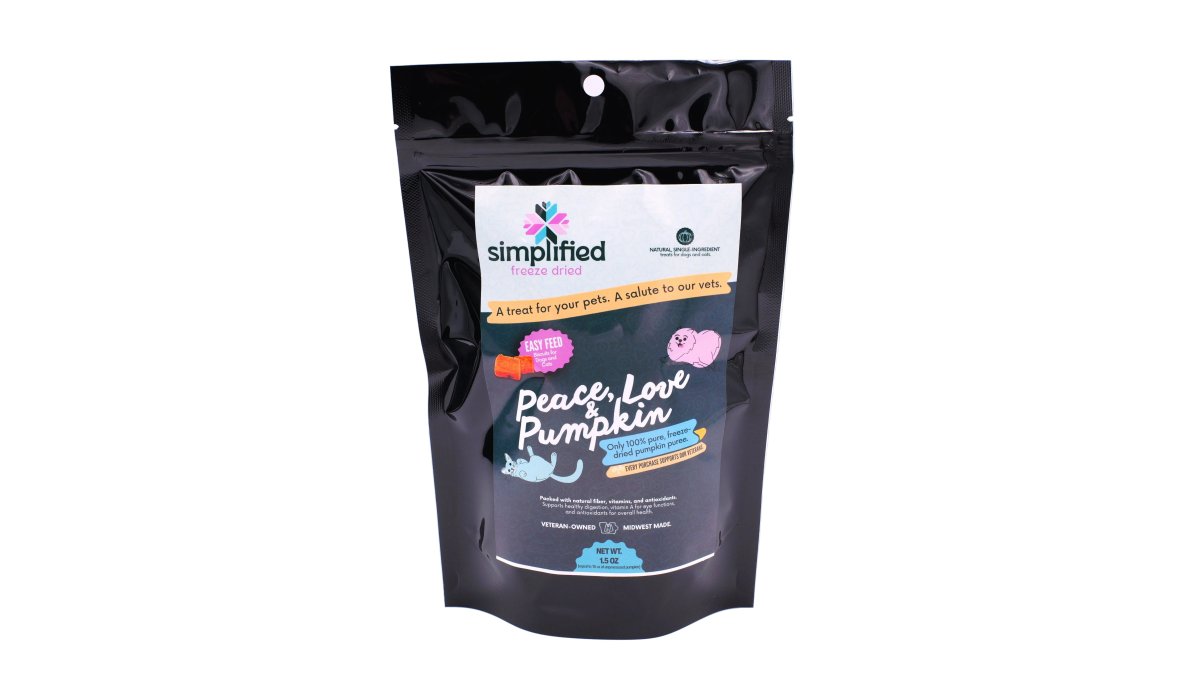
Dogs recognize freeze-dried whole foods immediately. The taste and aroma are authentic because nothing has been altered or masked. A dog that refuses processed treats often eagerly accepts freeze-dried options because their sensory system confirms: this is real food.

Freeze-dried treats work for dogs with sensitivities because the ingredient list is genuinely simple.
Homemade and Whole Food Alternatives
Homemade treats give you complete control over ingredients and preparation. A simple recipe, ground meat, a binder-free flour alternative, and water, takes 20 minutes to prepare and bake. Your dog receives treats made from ingredients you selected and trust.
Transitioning Your Dog to Healthier Treats
Starting Small with Novel Proteins
If your dog has a history of food sensitivities, introduce new treats gradually. Start with a novel protein your dog has never eaten, perhaps beef if they've only had chicken, or venison if they've only had beef. Offer a small piece once daily for three to five days, watching for any digestive upset or itching.
Monitoring for Digestive Health Improvements
After transitioning to healthier treats, watch for improvements in your dog's overall health. Dogs eating quality whole-food treats often show clearer skin, shinier coats, and more stable energy levels within two to three weeks. Itching and ear infections may resolve as inflammatory responses to allergens diminish.
What Makes Single-Ingredient Treats Different
Single-ingredient treats eliminate the guesswork. You're not decoding a label with 15 unrecognizable items. You're not wondering whether your dog is reacting to a hidden allergen. You know exactly what your dog is eating because the treat is one thing: beef liver, pumpkin, or another whole food.
Frequently Asked Questions
Why does my dog suddenly refuse to eat their treats?
Dogs often reject processed treats due to low-quality fillers, artificial flavors, or ingredients that trigger food sensitivities. If your dog has been eating the same brand and suddenly refuses it, the formula may have changed, or your dog may have developed a sensitivity to one of the ingredients. Food allergies in dogs commonly cause itchy skin and gastrointestinal distress, making them avoid treats that contain allergens. Switching to single-ingredient options can help you identify what your dog actually wants to eat.
What are the benefits of single-ingredient freeze-dried treats?
Single-ingredient freeze-dried treats preserve maximum nutrition while eliminating fillers, binders, and artificial preservatives. Because they contain only one whole food source, they're ideal for dogs with food sensitivities or those on an elimination diet. Freeze-dried beef liver and pumpkin treats retain their natural flavor and nutrient density without added processing. These treats also work well for training because they're lightweight and easy to portion into mini-sized pieces, and they provide genuine nutrition rather than empty calories.
How can I tell if a dog treat contains low-quality fillers?
Check the ingredient list for vague terms like 'meat by-products,' 'animal fat,' or 'plant-based fillers.' Legitimate single-ingredient treats list only one ingredient on the label. Look for binding agents such as gums or starches if the treat shouldn't require them. Human-grade beef liver treats, for example, need no binders because the meat itself holds together after freeze-drying. If a treat's ingredient list is longer than three items and you can't pronounce them, it likely contains unnecessary fillers or chemical preservatives.
Are processed dog treats bad for dogs with sensitive stomachs?
Many processed treats contain fillers, grains, and artificial additives that trigger gastrointestinal distress in dogs with dietary restrictions. Dogs with sensitive stomachs benefit from hypoallergenic, single-ingredient options that are easier to digest. Grain-free and gluten-free alternatives help dogs on elimination diets identify their specific allergens. Freeze-dried whole foods like beef liver and pumpkin puree support digestive health without the inflammatory ingredients found in conventional processed treats. If your dog has a sensitive stomach, switching to nutrient-dense, minimally processed treats often resolves rejection behavior.