


Table of Contents
- Symptoms of Dog Overeating Treats: What to Watch For
- How Many Single Ingredient Treats Are Too Many?
- Safe Daily Treat Allowance for Dogs: Doing the Math
- Pancreatitis and Digestive Distress: When Treats Trigger a Crisis
- Long-Term Health Risks: Obesity, Insulin Resistance, and Metabolic Strain
- When to Call a Veterinarian: A Triage Protocol for Pet Parents
- Alternatives to Processed Dog Treats for Picky Eaters
- Post-Incident Recovery: Bland Diet and Hydration Monitoring
- Frequently Asked Questions
Last Updated: September 20, 2026
Symptoms of Dog Overeating Treats: What to Watch For
If your dog ate too many single ingredient treats, the first signs usually show up in the gut. Loose stools, gas, and a rumbly belly are the most common reactions. Most cases settle within a day or two once you pull back on extras.
At Simplified Freeze Dried, we hear from pet parents every week who overdid it during a training session. It happens easily. Small rewards add up fast, and a dog will never turn them down.
Watch for these early signals:
- Loose stools or sudden diarrhea
- Gas and a bloated belly
- Pacing or restlessness
- Licking the floor or swallowing hard
- A tucked tail and low energy
Mild Reactions: Loose Stools, Gas, and Abdominal Discomfort
Mild digestive upset is the body's way of saying "that was too much." The gut moves food through faster than normal. You may see soft stool within 6 to 12 hours.
Gas and abdominal discomfort often come with it. Your dog may stretch into a bow pose to ease the pressure.
Most mild cases clear up on their own. Skip the next meal or feed a small, plain portion. Keep water available.
Emergency Signs: Vomiting, Lethargy, and Appetite Loss
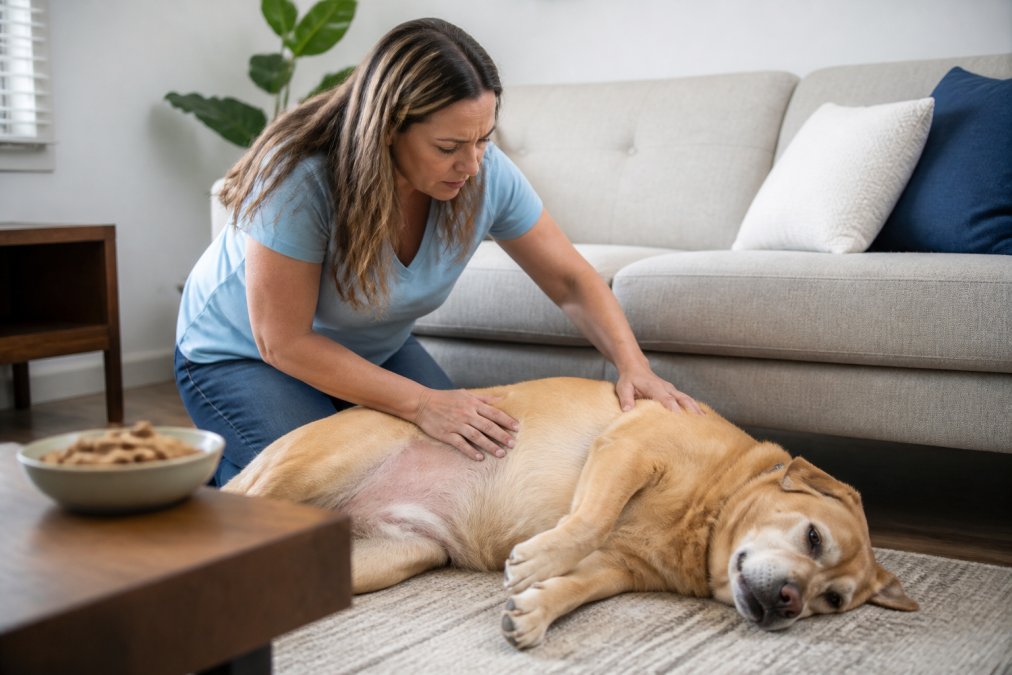
Some signs mean you should call your vet right away. Vomiting that repeats, especially with lethargy, is not a wait-and-see situation. Appetite loss that lasts more than a day also needs attention.
How Many Single Ingredient Treats Are Too Many?
There is no single number that fits every dog. Size, weight, and daily food matter more than treat count. A Great Dane and a Chihuahua can eat the same handful and have very different outcomes.
A common approach is to cap treats at a small share of daily calories. The rest should come from a complete, balanced meal.
The 10% Rule for Supplemental Feeding
The 10% rule is the simplest guide most vets share. Keep treats to no more than 10% of your dog's daily calories. The other 90% comes from their regular food.
This keeps nutritional balance in check. It also protects against the weight gain that sneaks up when treats are "just a little extra."
Safe Daily Treat Allowance for Dogs: Doing the Math
To find a safe daily treat allowance, start with your dog's weight and activity level. Then set a treat budget and stick to it. Training days and lazy days need different numbers.
Here is a simple way to plan it:
| Dog Size | Approx. Weight | Daily Treat Budget | Training Portion |
|---|---|---|---|
| Toy | Under 10 lbs | 20-30 calories | 10-15 tiny pieces |
| Small | 10-25 lbs | 30-60 calories | 15-20 tiny pieces |
| Medium | 25-60 lbs | 60-120 calories | 20-30 tiny pieces |
| Large | 60-100 lbs | 120-180 calories | 30-40 tiny pieces |
For training, use our mini-sized pieces. The regular size pieces are for treats only, they're too big for training.
Pancreatitis and Digestive Distress: When Treats Trigger a Crisis
Pancreatitis is inflammation of the pancreas, and it can be triggered by a fatty or rich meal. Even single-ingredient treats can cause it if your dog eats far too many at once. The pancreas releases enzymes that start digesting the organ itself.
Symptoms include vomiting, a hunched posture, and a painful belly. Some dogs run a fever. Others just go quiet and refuse food.
This is not a home-remedy situation. Pancreatitis needs a vet, often with fluids and a prescription diet.
Weight-Based Toxicity Thresholds and Organ-Specific Risks
Toxicity thresholds vary by ingredient and by your dog's weight. A small dog reaches a problem dose with far fewer pieces than a large dog. This is why weight matters more than treat count.
Organ-specific risks depend on what is in the treat:
- Liver treats: Very high in vitamin A. Too much over time can stress the liver.
- Fatty proteins: Can trigger pancreatitis in sensitive dogs.
- Pumpkin: Usually gentle, but a huge amount can cause loose stools.
The takeaway: match the treat to your dog's size and health history.
Simplified Freeze Dried Beef Liver →
Long-Term Health Risks: Obesity, Insulin Resistance, and Metabolic Strain
Extra treats add up to extra weight. Obesity is the most common long-term result of overfeeding, and it brings a chain of problems with it. Carrying too much weight strains joints, the heart, and the metabolism.
Over time, that can lead to insulin resistance. The body stops responding to insulin the way it should. This raises the risk of diabetes and other metabolic issues.
Starchy carbohydrates and fillers in low-quality treats make this worse. That is one reason single-ingredient treats are a better daily choice. They give you more nutrient density per calorie, with nothing hiding in the label.
A body condition score check every few weeks helps you catch creeping weight gain early. You should be able to feel your dog's ribs without pressing hard.
When to Call a Veterinarian: A Triage Protocol for Pet Parents
Use this triage protocol to decide how fast you need to act. It takes about a minute to run through. When in doubt, call your vet.
Call immediately if you see:
- Repeated vomiting or dry heaving
- A hard, swollen, or painful belly
- Collapse, weakness, or severe lethargy
- Blood in vomit or stool
- Trouble breathing
Call the same day if you see:
- Vomiting once or twice
- Diarrhea that lasts more than 12 hours
- Refusing food for more than a day
- Obvious pain when you touch the belly
Monitor at home if you see:
- Soft stool with normal energy
- Mild gas
- A single episode of loose stool after a big treat day
Alternatives to Processed Dog Treats for Picky Eaters
Picky eaters are often reacting to fillers, not to the idea of a treat. Switching to a clean, single-ingredient option can turn a head-turner into a bowl-cleaner. The trick is finding something with real flavor and no additives.
Freeze-dried treats keep the natural taste and smell of the original food. That makes them hard for most dogs to refuse. They also work for cats, which is a bonus in multi-pet homes.
If your dog turns up their nose at everything, try these:
- A single-ingredient freeze-dried protein, crumbled over food
- A powdered topper to add flavor to plain kibble
- A hydrating gravy made from the same treat mixed with warm water
Simplified Freeze Dried makes single-ingredient treats for both dogs and cats. Our beef liver treats use 100% American beef liver, cut once and freeze dried to lock in nutrition. We also offer a beef liver topper that turns plain kibble into a meal picky eaters will finish.

For training, our mini-sized pieces are the right call. The regular size pieces are for treats only, they're too big for training.
Post-Incident Recovery: Bland Diet and Hydration Monitoring
After a treat overload, the gut needs a rest. A bland diet gives it easy-to-digest food while things settle. Plain cooked chicken and white rice are the classic combo. Some vets suggest a prescription gut diet instead.
Hydration monitoring matters just as much. Vomiting and diarrhea pull water out fast.
A simple recovery plan:
- Fast for 6 to 12 hours, then offer small bland meals
- Feed 3 to 4 tiny portions instead of one big bowl
- Add water or a hydrating topper to keep fluids up
- Track fecal consistency and energy each day
- Return to normal food once stools firm up
Frequently Asked Questions
Can single ingredient treats cause digestive upset in dogs?
Yes. Even single ingredient treats can cause gastrointestinal distress if a dog eats too many at once. The sudden influx of protein or fiber can overwhelm the digestive system, leading to loose stools, flatulence, and abdominal discomfort. Dogs with sensitive stomachs or food allergies may react more quickly. If your dog shows mild symptoms, withhold treats for 24 hours, ensure hydration monitoring, and offer a bland diet of boiled chicken and rice. Contact your vet if symptoms persist beyond a day.
What are the symptoms of a dog eating too many treats?
Common symptoms of dog overeating treats include vomiting, diarrhea, loose stools, flatulence, and abdominal discomfort. More serious signs include lethargy, appetite loss, and a hunched posture that suggests pain. In severe cases, especially with fatty treats, pancreatitis can develop, causing intense abdominal pain and repeated vomiting. Monitor fecal consistency and energy levels closely. If your dog vomits more than twice or refuses food for over 12 hours, seek veterinary care immediately.
How many treats should a dog have per day?
Treats should make up no more than 10% of your dog's daily caloric intake. Use the mini-sized pieces for training sessions and reserve regular-size pieces for occasional rewards. Always factor treats into your dog's total daily allowance to prevent weight gain and nutritional imbalance.
When should I call a veterinarian if my dog overeats?
Call your vet if your dog shows repeated vomiting, diarrhea lasting more than 24 hours, lethargy, appetite loss, or signs of abdominal pain such as pacing, whining, or a hunched stance. These can indicate pancreatitis or another serious condition. If your dog ate a large volume of treats and has a history of pancreatitis, diabetes, or obesity, call immediately even without symptoms. Early veterinary triage prevents emergency intervention and supports faster recovery.