


Table of Contents
- Why Single-Ingredient Cat Treats Matter
- Beef Liver: The Protein Powerhouse
- Pumpkin Puree: Digestive Support in a Treat
- Benefits of Freeze-Dried Cat Treats
- Training Treats for Cats: Size and Safety
- Avoiding Fillers in Pet Snacks
- How to Introduce New Treats to Your Cat
- Conclusion
- Frequently Asked Questions
Last Updated: September 18, 2026
Single-ingredient cat treats are exactly what they sound like: snacks made from one pure ingredient with no fillers, binders, or artificial additives. At Simplified Freeze Dried, we've built our entire product line around this philosophy because we believe cats deserve nothing less than whole food nutrition in their treats.

Most commercial treats contain corn, soy, wheat, and unnamed "meat by-products" that obscure what your cat is actually eating. Single-ingredient treats eliminate that mystery, you know precisely what you're giving your pet, which matters when your cat has food sensitivities or when you want to reward good behavior with something genuinely nutritious.
This guide covers seven examples of single-ingredient cat treats that deliver real nutritional value, plus practical advice on selecting, introducing, and using them safely.
Why Single-Ingredient Cat Treats Matter
Cats are obligate carnivores, meaning they require animal protein to thrive. Their digestive systems evolved to process meat, organs, and minimal plant matter, not grain fillers or synthetic binders. When you feed single-ingredient cat treats, you're aligning what goes into their mouth with what their biology actually needs.
Single-ingredient treats are easier to digest, less likely to trigger allergic reactions, and often more palatable than treats loaded with artificial flavoring agents. If your cat has a history of vomiting, diarrhea, or skin issues, switching to single-ingredient options frequently resolves the problem.
Single-ingredient treats also simplify your life, no label-reading detective work, no guessing whether "poultry meal" includes beaks and feathers, no wondering if "chicken flavor" comes from actual chicken or chemical compounds.
Beef Liver: The Protein Powerhouse
Beef liver is the gold standard for single-ingredient cat treats. It's nutrient-dense, highly palatable, and packed with vitamins and minerals cats need. Raw beef liver contains iron, B vitamins (especially B12), vitamin A, and amino acids that support energy, coat health, and immune function.
The best beef liver treats come from human-grade sources, meaning the meat is safe for human consumption and hasn't been denatured due to disease or infection. Simplified Freeze Dried uses only 100% human-grade American beef liver, sourced from the Midwest and minimally processed: cut once, then freeze-dried to lock in nutrients.

Freeze-drying beef liver removes moisture while preserving the nutritional profile, creating a shelf-stable treat that tastes like fresh liver to your cat. Some cats eat these straight as treats; others work better with beef liver as a training reward or meal topper.
When introducing beef liver treats, start with small amounts, roughly the size of a pea per treat. Beef liver is rich and can cause mild digestive upset if offered in large quantities to cats unaccustomed to whole-food nutrition. Gradually increase the amount over a week as your cat's digestive system adapts.
Pumpkin Puree: Digestive Support in a Treat
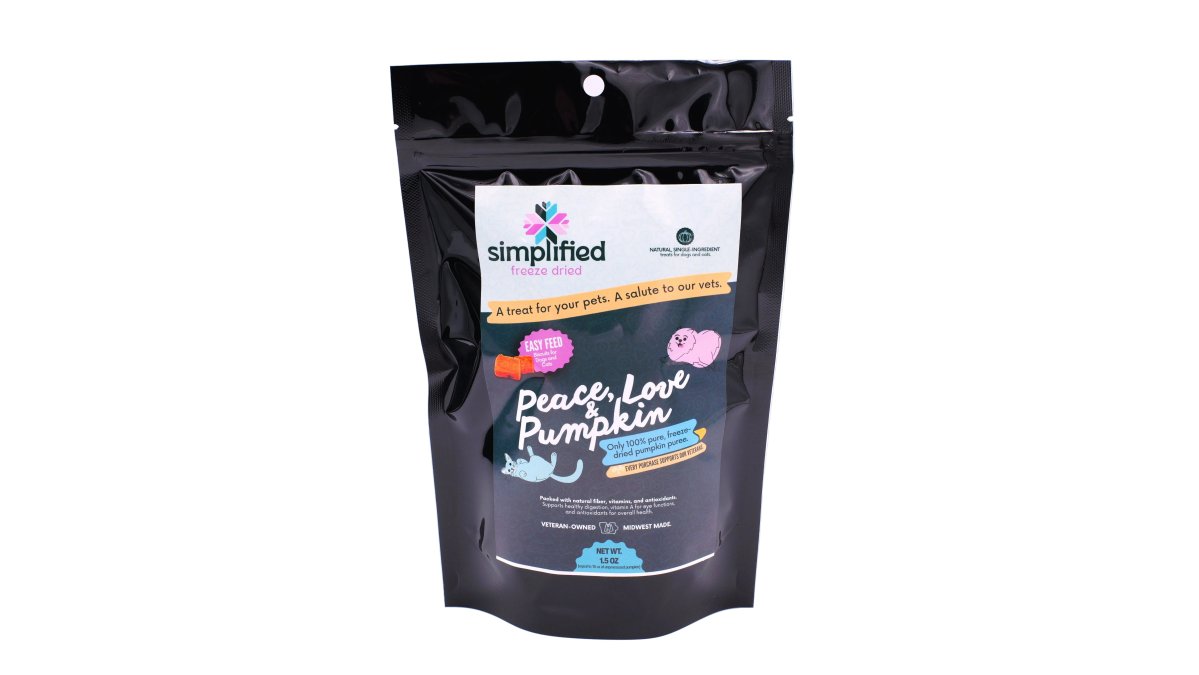
Pumpkin puree is the second essential single-ingredient treat every cat owner should know about. High in soluble fiber, pumpkin supports digestive health and helps regulate bowel movements. For cats dealing with constipation or loose stools, pumpkin puree often works better than medication because it addresses the root cause rather than masking symptoms.
Pumpkin's soluble fiber absorbs water, which has two opposite effects depending on your cat's need: for constipation, it adds bulk and moisture to move impacted material through the digestive tract (most cats show improvement within 24-48 hours); for loose stools or diarrhea, it absorbs excess water to firm stools without stopping digestion.
Veterinarians frequently recommend pumpkin for cats with minor digestive complaints, and it's one of the few treats that serves a genuine therapeutic function. However, pumpkin is not a substitute for veterinary care if your cat has chronic diarrhea, blood in stool, or signs of intestinal parasites.
Pumpkin is safe for kittens, adult cats, and seniors. Kittens rarely need it (offer only if loose stools appear after weaning; start with 1/8 teaspoon mixed into food). Adult cats benefit most, pumpkin prevents constipation from low water intake and high-protein diets. Senior cats use it as a preventative tool, though consult your vet first if your cat has kidney disease.
DIY pumpkin treats require strict food safety: use 100% pumpkin (not pie filling), dehydrate at 160°F or higher for 4-6 hours until completely dry, store in airtight containers, and maintain strict hygiene.
Benefits of Freeze-Dried Cat Treats
Freeze-drying removes moisture without heat, chemicals, or additives, locking in nutrients and bioavailability. Unlike air-dried treats (which lose heat-sensitive vitamins) or conventional treats (which rely on preservatives like BHA, BHT, or ethoxyquin), freeze-dried treats need no preservatives because moisture removal eliminates conditions for bacterial and mold growth.
Simplified Freeze Dried Beef Liver →
Training Treats for Cats: Size and Safety
Training with treats works for cats only if the treats are the right size. Mini-sized pieces are ideal for cat training, they're small enough for instant consumption without chewing, allowing faster reward delivery and more training repetitions per session while keeping caloric intake low. The regular size pieces are for treats only, they're too big for training.
Avoiding Fillers in Pet Snacks
Fillers (corn, wheat, soy, corn syrup, cellulose) are added for bulk and cost reduction, not nutrition. They add empty calories and are common allergens, many cats with food sensitivities react to corn or wheat before reacting to the actual protein source.
How to Introduce New Treats to Your Cat
Switching your cat to single-ingredient treats requires a gradual transition, but the approach differs depending on your cat's personality and the treat texture. Your cat's digestive system is adapted to their current diet, and sudden changes can cause vomiting, diarrhea, or loss of appetite. More importantly, cats are texture-sensitive, and moving from soft kibble to freeze-dried or chewy treats can trigger rejection before digestion even becomes a factor.
For Texture-Averse Cats (the biggest challenge):
Watch for these behavioral cues that indicate readiness to advance:
- Your cat sniffs the treat without hesitation
- Your cat licks the treat before eating it (sign of curiosity, not rejection)
- Your cat eats the treat within 30 seconds of it being offered
- Your cat shows no lip-licking, head-shaking, or spitting behavior
For Cats Transitioning from Conventional Treats:
Monitoring During Transition:
Track these three indicators during the first two weeks:
- Litter box habits: Stools should become firmer and more regular. Loose stools or constipation suggests the transition is too fast.
- Energy level: Most cats show increased energy within three to five days of switching to whole-food treats. If energy drops, revert to the previous pace.
- Coat quality: Shinier coat and less shedding typically appear within one to two weeks. This is a sign the new treats are being digested and absorbed properly.
If Your Cat Refuses the Treat Entirely:
Conclusion
Single-ingredient cat treats represent a fundamental shift in how you think about pet nutrition. Instead of guessing what's in a treat, you know exactly what your cat is eating. Instead of worrying about fillers and allergens, you offer whole food nutrition your cat's body can actually use.
Frequently Asked Questions
What are some examples of single-ingredient cat treats?
Beef liver and pumpkin puree are the primary examples of true single-ingredient cat treats. Beef liver provides concentrated animal protein, iron, and B vitamins that support energy and coat health. Pumpkin puree offers fiber and digestive support without additives. Freeze-dried versions preserve these nutrients while removing moisture, making them shelf-stable and nutrient-dense. Both work for cats of all life stages and are ideal for training when offered in appropriately sized pieces.
Why are freeze-dried treats better for cats with food sensitivities?
Freeze-dried treats contain only one ingredient with no binding agents, preservatives, or fillers that commonly trigger allergic reactions. The freeze-drying process removes moisture without using heat or chemicals, preserving the ingredient's natural form and nutritional profile. This minimal processing reduces the risk of contamination or ingredient degradation that could cause gastrointestinal upset. Cats with food allergies benefit from this simplicity because there's nothing hidden in the formulation.
How do I use single-ingredient treats for training my cat?
Single-ingredient treats work best for training when offered in small, kibble-sized pieces that don't overwhelm your cat's appetite during sessions. Mini-sized pieces are ideal because they allow multiple reward opportunities without excessive calories. Break or crumble larger treats into smaller portions if needed. Use them during short, frequent training sessions to reinforce desired behaviors like coming when called or using a scratching post. Always account for training treats in your cat's daily caloric intake to prevent overfeeding.
Are freeze-dried cat treats safe for all cats?
Freeze-dried single-ingredient treats are safe for most cats, including those with food sensitivities or allergies, because they contain no artificial additives, preservatives, or hidden ingredients. However, introduce any new treat gradually over 7-10 days to monitor for individual reactions. Cats with specific medical conditions should be offered treats approved by a veterinarian. Store freeze-dried treats in a cool, dry place to maintain freshness and prevent moisture absorption that could affect texture or shelf stability.
What makes human-grade beef liver different from standard pet treats?
Human-grade beef liver meets food safety standards for human consumption, meaning it comes from healthy animals and is processed under strict sanitation protocols. Standard pet treats may use ingredients unsuitable for human consumption due to disease or infection risk. Human-grade sourcing ensures higher nutritional quality and lower contamination risk. When beef liver is minimally processed, cut once then freeze-dried, it retains maximum bioavailable nutrients that support your cat's energy, immune function, and overall health.