


Last Updated: October 22, 2026
Quick Summary
Novel protein diets for dogs introduce protein sources your dog has never eaten before to identify and avoid ingredients that trigger allergic reactions or digestive upset. By removing proteins their immune system has learned to attack, these diets can reduce inflammation and allow the skin and gut to heal, with most dogs showing improvement within 4-6 weeks.
- An elimination diet requires 6-10 weeks of exclusive feeding one novel protein with no hidden exposures from treats, table scraps, or medications.
- Build a complete diet history listing every food, treat, chew, supplement, and medication from the past 12 months before choosing a novel protein.
- Track symptoms daily using an objective log of itching frequency, stool quality, vomiting, and skin changes to measure real improvement.
- Reintroduce old proteins one at a time after the trial period to identify which specific proteins trigger your dog's reactions.
- If your dog shows no improvement after 8-10 weeks, the problem may not be food allergies; work with your veterinarian to rule out environmental allergies, parasites, or infections.
Table of Contents
- What Is a Novel Protein Diet for Dogs?
- How a Novel Protein Diet for Dogs with Allergies Works
- Running a Dog Food Elimination Diet: Step-by-Step
- How Long to Feed a Novel Protein Diet
- Potential Benefits: Skin, Coat, and Digestive Health
- Novel Protein Dog Treats for Training and Rewards
- Novel Protein vs. Hydrolyzed Protein: When to Use Each
- Realistic Expectations and What the Research Shows
- Frequently Asked Questions
What Is a Novel Protein Diet for Dogs?
Novel protein diets for dogs introduce protein sources your dog has never eaten before, to identify and avoid ingredients that trigger allergic reactions or digestive upset.
Novel proteins work because they're new to your dog's system.
Our single-ingredient freeze-dried treats let you control exactly what your dog eats, making it easier to run a clean elimination diet without hidden proteins sneaking in.
How a Novel Protein Diet for Dogs with Allergies Works
Understanding Food Sensitivities and Adverse Reactions
Food sensitivities and adverse food reactions are different problems that sometimes look the same.
An adverse food reaction is an immune system response: your dog's body treats a protein as a threat and attacks it, creating inflammation, itching, and sometimes vomiting or diarrhea.
A food sensitivity is less severe, more like a digestive intolerance, where your dog's stomach struggles to process a specific ingredient.
NC State University Veterinary Hospital's guidance on hydrolyzed diets explains that identifying the trigger ingredient requires strict feeding protocols and careful monitoring.
Why Your Dog's History Matters
Your dog's diet history is the foundation of any elimination diet. You need to know every protein your dog has eaten, including treats, table scraps, flavored medications, and even chew toys that might contain hidden proteins.
A protein is only novel if your dog truly hasn't encountered it. If your dog ate chicken-based treats last month, the old exposure might still be causing reactions even on a "novel" chicken-free diet.
Running a Dog Food Elimination Diet: Step-by-Step
An elimination diet is a structured diagnostic trial, not just a food switch: remove every protein your dog has previously eaten, feed a single novel protein exclusively for a set period, track symptoms objectively, then reintroduce old proteins one at a time to identify triggers. Done loosely, it produces false results and wasted weeks.
Step 1: Build a Complete Diet History
Novelty is personal to your dog, so the trial starts with a written history: every food, treat, chew, supplement, flavored medication, and table scrap from the past 12 months, with brand, flavor, and full ingredient panel where possible.
A practical checklist before choosing a protein:
- All dry, wet, and raw foods fed in the past year, including toppers and mixers.
- Every treat and chew, including dental chews, rawhide, bully sticks, and training rewards.
- Supplements, joint chews, and omega oils that may contain animal protein.
If the history is incomplete, choose a protein uncommon in commercial pet food, such as rabbit, venison, alligator, or elk. Avoid proteins already on the list, even in small amounts.
Step 2: Choose a Complete and Balanced Novel Protein Diet
Pick one protein source and confirm the diet is complete and balanced for your dog's life stage. A common mistake is using a single-ingredient treat or topper as the sole diet, which is not nutritionally adequate.
Read the entire ingredient list, not just the front of the bag. Many limited-ingredient diets still contain chicken fat, beef broth, or fish meal, which compromises the trial.
Step 3: Feed Exclusively for the Trial Period
Feed the selected diet exclusively for 6-10 weeks: no other treats, table scraps, flavored medications, or chews unless they are the same novel protein. A single hidden exposure can restart the immune response and invalidate the trial.
Cross-contamination is a real risk. Store the trial diet separately, use clean bowls and utensils, avoid sharing treats between pets, and feed multiple dogs separately.
When you need a training reward, use our mini-sized pieces. They are small enough for frequent rewards, 100% single-ingredient, and free of fillers or binding agents that could introduce hidden proteins.
Step 4: Track Symptoms Objectively
Keep a simple daily log: itching frequency, scratching episodes, stool quality on a 1-7 scale, vomiting, gas, energy level, and appetite. Photograph skin lesions weekly under similar lighting so you can tell whether improvement is real or coincidental.
Most dogs show improvement within 4-6 weeks, but some need the full 6-10 weeks. If there's no improvement after 8-10 weeks of strict feeding, the problem may not be food-related: environmental allergies, parasites, and skin infections cause identical signs, so work with your veterinarian.
Step 5: Rechallenge One Protein at a Time
After the trial period, reintroduce one old protein at a time. Feed the test protein for up to one week, then observe for 3-5 days. If itching, digestive upset, or skin changes return, that protein is a likely trigger. Return to the trial diet until symptoms resolve before testing the next protein, and keep the log running so you can compare reactions.
| Phase | Duration | What to Do |
|---|---|---|
| Diet history | 1-2 days | List every food, treat, chew, supplement, and medication |
| Exclusive feeding | 6-10 weeks | Feed one novel protein only, track symptoms daily |
| Rechallenge | Up to 1 week per protein | Reintroduce old proteins one at a time |
| Observation | 3-5 days per protein | Monitor for itching, digestive upset, or skin changes |
Step 6: Decide on Long-Term Feeding
If your dog improves and you identify the trigger proteins, either keep feeding the novel protein long-term or transition to a diet that avoids the confirmed triggers. If no trigger is identified, discuss hydrolyzed protein diets or further veterinary testing with your veterinarian.
How Long to Feed a Novel Protein Diet
The length depends on your goal. For an elimination diet to identify triggers, plan for at least 6-10 weeks of exclusive feeding, then several more weeks for rechallenges.
If your dog has confirmed food allergies and does well on the novel protein, you can feed it long-term, some dogs stay on novel protein diets for years. The key is consistency: don't rotate proteins frequently, since constant changes can create new sensitivities.
Potential Benefits: Skin, Coat, and Digestive Health
The benefits of a novel protein diet are real but narrower than marketing often suggests. A novel protein is not automatically hypoallergenic or easier to digest. Its value comes from removing a protein your dog's immune system has already learned to recognize, which can reduce inflammation and let the skin and gut heal.
Relief from Itching and Skin Irritation
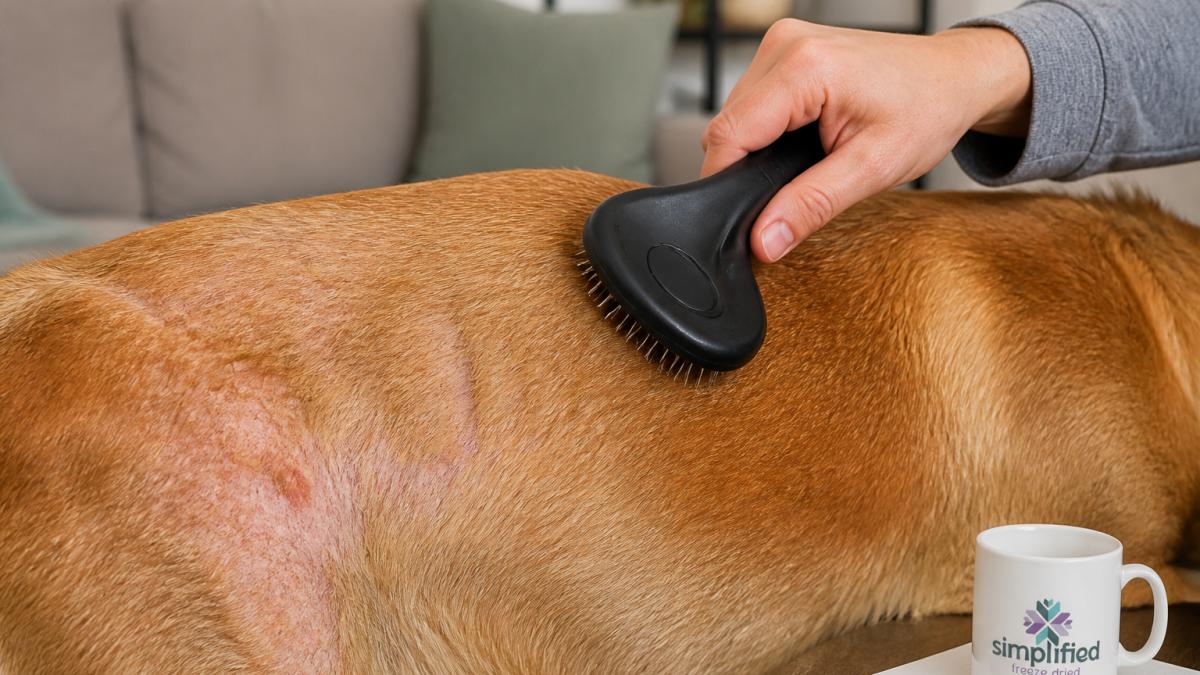
Dogs with food allergies often scratch constantly. The itching comes from inflammation triggered by the immune response to a protein, and removing that protein decreases the inflammation.
Most dogs show improvement within 4-6 weeks of switching, though some need the full 6-10 weeks. Itching and scratching decrease, the skin heals, and many owners report their dogs sleep better because they're not uncomfortable.
Skin irritation often improves alongside the itching. Red, inflamed patches fade. Hot spots heal. The skin barrier strengthens.
What the evidence supports: food allergy is a well-recognized cause of pruritus in dogs, and elimination diets are a standard diagnostic and management tool.
Digestive and Gut Health
A novel protein diet gives the gut time to heal. The inflammation decreases. Nutrient absorption improves. Stool quality normalizes.
Some dogs with inflammatory bowel disease (IBD) benefit from novel protein diets, sometimes combined with hydrolyzed proteins.
What the evidence supports: elimination diets are used in the management of adverse food reactions and are sometimes part of a broader plan for chronic enteropathies.
Realistic Expectations and Evidence Quality
A comprehensive review of alternative proteins in pet food published in the National Center for Biotechnology Information examines how novel proteins fit into modern pet nutrition.
Improvement takes time. Most dogs need 4-6 weeks to show clear results. Some take longer. Patience matters.
Not every dog improves on a novel protein diet.
Novel protein diets work best when combined with veterinary guidance. Your vet can help you choose the right protein, monitor progress, and adjust the plan if needed. They can also rule out non-food causes of itching or digestive upset.
The research shows that novel proteins are effective tools when used correctly. But they require commitment. Strict feeding. Careful monitoring. Patience.
Novel Protein Dog Treats for Training and Rewards
During an elimination diet, treats matter as much as meals. A single hidden protein in a training treat can ruin weeks of progress.
This is where freeze-dried treats shine. Our mini-sized pieces are perfect for training: small, mess-free, and 100% single-ingredient, with no fillers or mystery proteins. Just pure, human-grade beef liver or pumpkin puree. They're small enough for frequent rewards, convenient to carry, and safe because you know exactly what's in them.
Novel Protein vs. Hydrolyzed Protein: When to Use Each
A novel protein diet introduces a protein your dog has never eaten.
Both work for food allergies but solve the problem differently: novel proteins avoid the trigger entirely, while hydrolyzed proteins neutralize it so it can't cause a reaction.
Use a novel protein diet first if you want to identify which proteins cause problems, or hydrolyzed protein for a quick solution without the detective work.
Realistic Expectations and What the Research Shows
A comprehensive review of alternative proteins in pet food published in the National Center for Biotechnology Information examines how novel proteins fit into modern pet nutrition.
Improvement takes time. Most dogs need 4-6 weeks to show clear results. Some take longer. Patience matters.
Not every dog improves on a novel protein diet.
Novel protein diets work best when combined with veterinary guidance.
The research shows that novel proteins are effective tools when used correctly. But they require commitment. Strict feeding. Careful monitoring. Patience.
Frequently Asked Questions
What is a novel protein diet for dogs?
A novel protein diet features a protein source your dog hasn't eaten before, used to identify food triggers during an elimination diet. Common novel proteins include rabbit, venison, duck, and alligator. The key is that novelty depends on your individual dog's prior food history, not the label alone. Your veterinarian can help determine which proteins are truly new to your dog's diet history.
How can a novel protein diet help a dog with food allergies?
Dogs with food sensitivities or adverse food reactions may improve when fed a protein they haven't previously encountered. During a strict elimination diet trial lasting 6-10 weeks, feeding exclusively one novel protein can help identify which ingredients trigger itching, skin irritation, or digestive upset. A follow-up rechallenge confirms whether the protein was the culprit. Results vary by individual dog.
How long should I feed my dog a novel protein diet?
According to NC State University Veterinary Hospital, an exclusive novel-protein feeding trial should last 6-10 weeks before attempting a dietary rechallenge. This timeframe allows your dog's immune response to settle and gives you enough time to observe whether symptoms improve. Your veterinarian can adjust the timeline based on your dog's individual response and symptom severity.
Can I use novel protein dog treats during an elimination diet trial?
During a strict elimination diet, all treats must match the novel protein being tested to avoid cross-contamination or hidden protein exposure that could mask results. Mini-sized training treats in the same novel protein are ideal for training during this period. Once the trial is complete and you've identified safe proteins, you can expand treat options with confidence.
Finding the right diet for your dog takes time and attention. Novel protein diets give you a structured way to identify triggers and help your dog feel better. If your dog struggles with itching, digestive upset, or skin problems, a novel protein elimination diet might be the answer. At Simplified Freeze Dried, we support your journey with single-ingredient treats you can trust, no hidden proteins, no fillers, just pure nutrition for your dog's health.