


Table of Contents
- What Is Freeze-Dried Dog Food?
- Understanding Dog Allergic Reactions to Dog Food
- Freeze-Dried vs. Kibble: Why Nutrient Retention Matters
- Freeze-Dried vs. Dehydrated Food for Sensitive Dogs
- Limited Ingredient Dog Treats and Elimination Diets
- How to Perform an Elimination Diet for Dogs
- Safety, Pathogen Reduction, and What to Watch For
- Frequently Asked Questions
Last Updated: September 21, 2026
What Is Freeze-Dried Dog Food?
Freeze-dried dog food is a minimally processed pet nutrition option created by removing moisture from raw ingredients while preserving nutritional content and natural flavor, which raises the question: is freeze dried dog food better for allergies? The process involves freezing fresh ingredients and then extracting water through a vacuum chamber, leaving behind shelf-stable pieces that retain vitamins, amino acids, and bioavailability that conventional processing methods often destroy.
Unlike kibble, which requires high-heat cooking that degrades nutrients, freeze-dried products maintain the integrity of whole-food ingredients. A single-ingredient freeze-dried treat contains exactly what it says, beef liver is beef liver, nothing more. No fillers, no synthetic additives, no binding agents hiding in the ingredient list.

This matters because dogs with food sensitivities often react not just to specific proteins but to the chemical byproducts created during manufacturing. When you strip away the processing, you strip away a major trigger source.
Understanding Dog Allergic Reactions to Dog Food
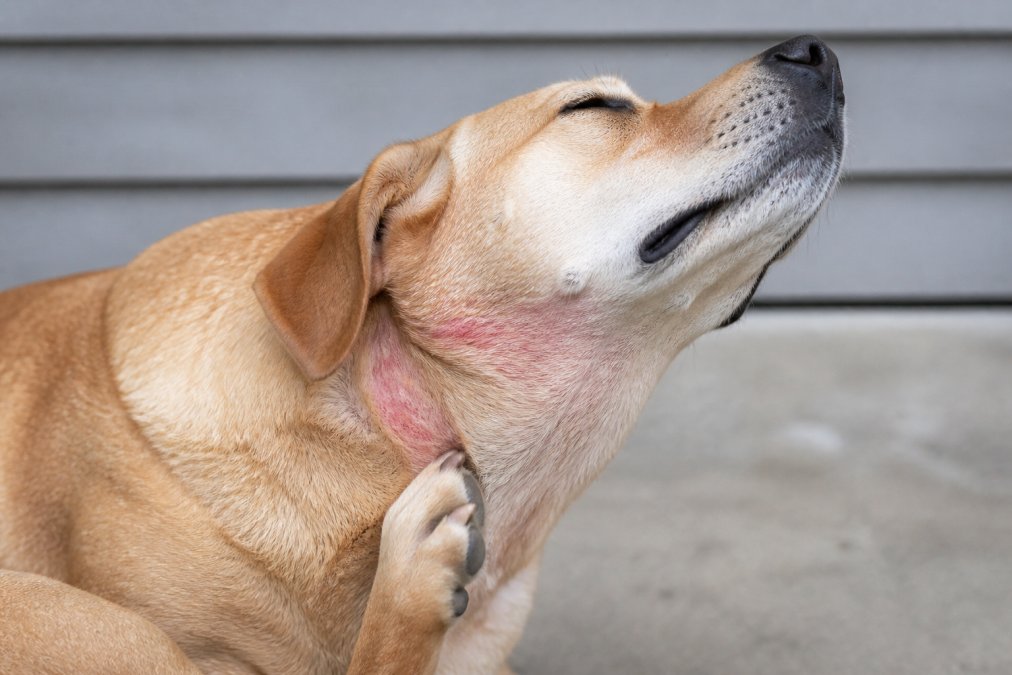
A dog's immune response to food differs from a simple intolerance. True food allergies trigger the immune system to attack what it perceives as a threat, causing inflammation, dermatological symptoms like itchy skin and hot spots, and gastrointestinal distress. The reaction can appear within hours or develop over weeks of repeated exposure.
Food sensitivities, sometimes called intolerances, cause stomach upset, loose stools, or skin irritation without triggering a full immune response. Both require dietary management, but allergies are more serious and demand stricter elimination protocols.
Common allergens include chicken, beef, wheat, and corn. But the real culprit isn't always the protein itself. Artificial preservatives, synthetic additives, and cross-contamination during manufacturing can trigger reactions in sensitive dogs. A dog that reacts to conventional chicken kibble might tolerate freeze-dried chicken because the processing method eliminates those secondary irritants, evidence that is freeze dried dog food better for allergies in many cases.
Freeze-Dried vs. Kibble: Why Nutrient Retention Matters
Kibble undergoes extrusion, a high-heat, high-pressure process that kills pathogens but also destroys heat-sensitive vitamins, denatures proteins, and reduces bioavailability. Your dog's digestive system has to work harder to extract usable nutrition from the meal.
Freeze-dried products skip this step. By removing water instead of applying heat, nutrient density remains intact. The amino acid profile stays complete. B vitamins and fat-soluble vitamins survive. Digestive enzymes in the food remain active, supporting gut microbiome health.
For dogs with food sensitivities, this distinction is critical. A nutritionally dense meal means less volume needed to meet caloric requirements, reducing overall digestive stress. The dog feels satisfied on smaller portions because the food actually delivers what the body needs.
Freeze-Dried vs. Dehydrated Food for Sensitive Dogs
Dehydrated food uses low-heat drying over extended periods, gentler than kibble but still applying sustained temperature. Freeze-drying applies no heat at all, only vacuum pressure. The result: freeze-dried products retain more heat-sensitive compounds.
Both remove moisture for shelf stability. Both avoid artificial preservatives. The practical difference emerges in nutrient retention and rehydration. Freeze-dried pieces reconstitute quickly when mixed with water, creating a gravy that dogs find highly palatable. Dehydrated products require longer soaking and produce a less flavorful liquid.
For dogs with severe sensitivities, freeze-dried offers a margin of safety. Zero heat exposure means zero risk of creating problematic compounds during processing.
Limited Ingredient Dog Treats and Elimination Diets
Limited ingredient diets (LID) form the foundation of allergy diagnosis and management. By removing potential triggers and introducing new proteins one at a time, you identify which specific foods cause reactions.
Single-ingredient freeze-dried treats are the ideal tool for this process. A beef liver treat contains only beef liver. A pumpkin treat contains only pumpkin. No cross-contamination, no hidden ingredients, no guesswork. When you introduce a new protein during an elimination trial, you know exactly what your dog is consuming.

Simplified Freeze Dried's beef liver treats and pumpkin treats work well here because they're genuinely single-ingredient. No binding agents, no fillers, no mystery components. For dogs with severe allergies, this transparency is non-negotiable.
How to Perform an Elimination Diet for Dogs
An elimination diet is the gold standard for identifying food allergies in dogs, but success depends on strict protocol adherence. The process typically spans 8-12 weeks and requires removing all suspected allergens, feeding a novel protein and single carbohydrate source exclusively, then systematically reintroducing ingredients to isolate triggers.
Weeks 1-2: Preparation and Baseline Documentation
Before starting, document your dog's current symptoms in detail. Note frequency and severity of itching, hot spots, ear infections, vomiting, diarrhea, gas, or lethargy. Take photos of any visible skin lesions. This baseline becomes your reference point for measuring improvement. Consult your veterinarian to rule out non-food causes (parasites, environmental allergies, infections) and to confirm the diet is nutritionally complete for your dog's age and size.
Choose a novel protein your dog has never eaten. Common options include venison, duck, rabbit, or fish if your dog has only eaten chicken and beef. Pair it with a single carbohydrate: white rice, sweet potato, or pumpkin. Avoid multi-ingredient commercial diets during this phase, the entire point is elimination of variables.
Weeks 3-6: Strict Elimination Phase
Feed only the novel protein and carbohydrate source. No table scraps, no flavored medications, no treats outside the protocol. This is where single-ingredient freeze-dried products become invaluable. If you're training your dog during this period, use our mini-sized freeze-dried pieces, they allow reinforcement without introducing unknown ingredients or additives.
Most dogs show improvement in dermatological symptoms (reduced itching, healing of hot spots) within 4-6 weeks if food is the primary allergen. Gastrointestinal symptoms often resolve faster, sometimes within 2-3 weeks. If no improvement occurs by week 6, food allergy may not be the primary issue; consult your veterinarian about environmental or parasitic causes.
Simplified Freeze Dried Beef Liver →
Weeks 7-12: Controlled Reintroduction
Once symptoms improve, reintroduce one ingredient every 10-14 days. Start with a common allergen you suspect (e.g., chicken if your dog previously ate it). Feed the new ingredient for 10-14 days while maintaining the base novel protein and carbohydrate. If symptoms return, itching, digestive upset, ear infections, you've identified a trigger. Remove it and wait for symptoms to resolve (usually 1-2 weeks), then introduce the next ingredient.
If no reaction occurs after 10-14 days, that ingredient is likely safe. Continue to the next suspected allergen. Document each reintroduction: date introduced, quantity, frequency, and any symptoms observed, no matter how minor.
Tracking and Data Management
Keep a detailed log:
- Date and ingredient introduced
- Quantity and frequency (e.g., 1 tablespoon twice daily)
- Symptoms observed: itching (location and intensity on a 1-10 scale), stool quality, vomiting, ear redness, energy level, coat appearance
- Timeline: when symptoms appeared (immediate vs. delayed reaction)
Delayed reactions can occur 5-7 days after introduction, so patience is critical. Many owners mistakenly conclude an ingredient is safe after only 3-5 days of observation. A true elimination diet requires discipline.
Using Freeze-Dried Products During Reintroduction
When reintroducing proteins, freeze-dried single-ingredient options provide clean, controlled exposure. A freeze-dried chicken treat contains only chicken, no binders, fillers, or processing byproducts that might confound results. This clarity is essential; if your dog reacts to freeze-dried chicken, you know it's the protein itself, not manufacturing additives.
Post-Elimination Diet Management
Once you've identified safe and unsafe ingredients, you have two paths: feed a limited ingredient diet that excludes triggers, or continue a novel protein rotation to prevent new sensitivities from developing. Many dogs benefit from rotating between 2-3 novel proteins every 4-6 weeks, which reduces the risk of developing allergies to a single protein over time.
Share your elimination diet log with your veterinarian.
Safety, Pathogen Reduction, and What to Watch For
Freeze-drying reduces pathogen risk through the vacuum process itself. By removing water, the environment becomes hostile to bacterial growth. No moisture means no medium for harmful organisms like Salmonella or E. coli to survive and multiply. This is why freeze-dried products are inherently safer than raw diets, which carry documented pathogen risks.
Enzyme and Probiotic Preservation for Allergic Dogs
Sourcing Standards and Handling
When selecting freeze-dried products for an allergic dog, verify:
- Source transparency: Is the meat human-grade? Are suppliers named or traceable?
- Processing location: Is freeze-drying performed in a facility with food-safety certifications (such as those meeting FDA guidelines for pet food manufacturing)?
- Ingredient simplicity: Does the label list only the ingredient, with no binders, fillers, or processing aids?
Storage and Shelf Life
Rehydration Safety
Frequently Asked Questions
Can freeze-dried dog food actually stop my dog's itching from allergies?
Freeze-dried dog food may reduce itching if the itching stems from specific food ingredients your dog reacts to. By switching to single-ingredient options or performing an elimination diet, you can identify trigger foods. However, itching can also result from environmental allergies, parasites, or skin conditions unrelated to food. Work with your veterinarian to confirm the cause before expecting dietary changes alone to resolve the issue. Some owners report improvement in dermatological symptoms within 4-6 weeks of switching to novel proteins or limited ingredient diets.
What makes limited ingredient dog treats better for dogs with food sensitivities?
Limited ingredient dog treats contain fewer components, making it easier to identify which foods trigger reactions in your dog. Single-ingredient treats like freeze-dried beef liver or pumpkin eliminate the guesswork of hidden fillers, artificial preservatives, or cross-contamination from processing. This simplicity is especially valuable during an elimination trial, where you need complete control over what your dog consumes. Treats without synthetic additives or binders also support better gastrointestinal health and nutrient absorption in sensitive dogs.
How do I know if my dog's reaction is truly a food allergy or a food sensitivity?
True food allergies trigger immune responses that can appear suddenly, while food sensitivities develop gradually and cause gastrointestinal upset or skin irritation without immune involvement. Allergies may cause vomiting, diarrhea, or severe itching within minutes to hours. Sensitivities typically show as chronic itching, hot spots, or stomach upset over days or weeks. Your veterinarian can help distinguish between the two through elimination diets and, in some cases, blood or skin testing. Both respond well to simplified, single-ingredient diets that remove common triggers.
Are freeze-dried treats safe if my dog has a history of food allergies?
Freeze-dried treats are generally safe for allergic dogs because the freeze-drying process does not introduce new allergens or synthetic additives. The key is selecting single-ingredient options and confirming your dog hasn't reacted to that specific protein before. Pathogen reduction through freeze-drying also supports immune health. Always introduce new treats slowly, watch for any signs of reaction, and consult your veterinarian before adding new proteins to your allergic dog's diet, especially if you're mid-elimination trial.