


Table of Contents
- How Much Liver Can a Cat Eat Daily
- Nutritional Benefits of Liver for Cats
- Understanding Vitamin A Toxicity in Cats from Liver
- Raw vs. Cooked Liver: Preparation Methods That Matter
- Freeze-Dried Beef Liver for Cats: A Safer Option
- How to Use Freeze-Dried Treats for Training Your Cat
- Signs of Liver Overdose and When to Call Your Vet
- Conclusion
- Frequently Asked Questions
Last Updated: September 23, 2026
How Much Liver Can a Cat Eat Daily
Most cats can safely eat small amounts of liver several times per week. Think of liver as a nutrient-dense supplement, not a meal replacement. The safe amount depends on your cat's weight and overall diet.
Liver is nutrient-dense but concentrated in certain vitamins that can cause problems in large amounts. Most veterinarians recommend liver make up no more than 5-10% of your cat's total daily caloric intake.
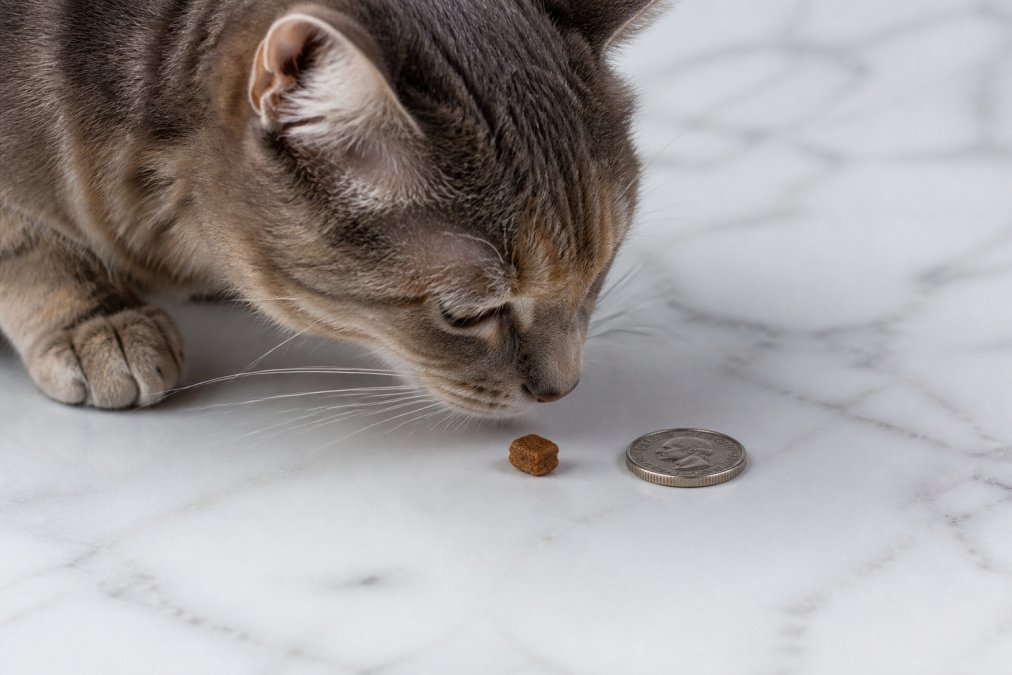
Weight-Based Dosage Guide
Use your cat's body weight to determine safe portions. Most cats require roughly 200-250 calories per day, though this varies by age, activity level, and metabolism.
Safe daily liver intake by weight:
- 5 lbs or less: 1-2 small freeze-dried pieces, 2-3 times per week
- 6-10 lbs: 2-3 small freeze-dried pieces, 2-3 times per week
- 11-15 lbs: 3-4 small freeze-dried pieces, 2-3 times per week
- 16+ lbs: 4-5 small freeze-dried pieces, 2-3 times per week
If feeding fresh or cooked liver instead, portions should be roughly half the size of freeze-dried amounts, since fresh liver contains water weight that freeze-dried liver has had removed.
Weight-based scaling keeps liver at the recommended 5-10% of total daily calories regardless of your cat's size, preventing portions from exceeding safe limits.
If your cat eats 200 calories daily, 10-20 calories should come from liver. A single freeze-dried piece typically contains 2-3 calories, so 3-7 pieces per week stays within safe limits for an average 10-pound cat.
Freeze-Dried vs. Fresh: Portion Adjustment
Freeze-dried liver is more concentrated than fresh liver, so portions are smaller. Freeze-dried liver loses water weight but keeps all the nutrients. That means a small piece delivers more nutrition than a larger piece of fresh liver. Start with one small piece and watch your cat's response.
If you're feeding fresh or cooked liver, use roughly double the freeze-dried portion to reach the same nutritional value. A piece of fresh liver the size of a small pea is roughly equivalent to one freeze-dried piece in nutrient density.
Nutritional Benefits of Liver for Cats
Liver contains high levels of vitamin A, B vitamins, iron, copper, and taurine, all critical for feline health. Cats are obligate carnivores evolved to get these nutrients from whole prey, including organ meats. A small amount of liver delivers significant nutritional value because your cat's body absorbs and uses these nutrients more efficiently than from muscle meat.
Taurine is especially important because cats cannot synthesize it; liver is one of the richest natural sources and even tiny amounts support heart health, vision, and immune function.
Iron and copper support red blood cell formation and metabolic health, while B vitamins boost energy and nervous system function.
Understanding Vitamin A Toxicity in Cats from Liver
Vitamin A toxicity (hypervitaminosis A) is the main risk. Cats cannot regulate vitamin A storage like humans can, so it accumulates in fatty tissues over time. Chronic excess causes joint stiffness, bone pain, hair loss, and in severe cases, paralysis. Cats fed liver daily or in large amounts can develop toxicosis within weeks or months.
The danger is preventable: liver should complement a complete diet, not dominate it. Most commercial cat foods already contain adequate vitamin A, so adding liver can push your cat over safe limits. One freeze-dried treat a few times per week poses minimal risk; daily large portions create genuine danger.
Raw vs. Cooked Liver: Preparation Methods That Matter
Raw liver can harbor bacteria like E. coli and salmonella, posing risk especially for kittens, elderly cats, or immunocompromised animals. Cooked liver is safer but loses heat-sensitive nutrients. Freeze-dried liver offers safety with nutrient retention.
Cooking kills bacteria but degrades B vitamins and taurine; gentle steaming preserves more nutrition than high-heat methods.
Freeze-Dried Beef Liver for Cats: A Safer Option
Freeze-dried beef liver eliminates guesswork: fresh liver is cut and freeze-dried to remove water while preserving nutrients and safety. Concentrated nutrition means smaller portions deliver real benefits, with no refrigeration or spoilage concerns.

How to Use Freeze-Dried Treats for Training Your Cat
Training cats is different from training dogs, but freeze-dried liver treats work beautifully for both. The key is understanding that mini-sized pieces are purpose-built for training, while regular-sized pieces are intended for treats only, they're too large for effective training work.
Why Mini-Sized Pieces Matter for Training
Regular-sized freeze-dried pieces are intended for treats only, they're too large for effective training work. Mini-sized pieces, by contrast, are pea-sized or smaller, small enough to be consumed in one bite, leaving your cat ready for the next command within seconds.
Training Protocol for Cats
Start by using mini-sized pieces. These portions are perfect for quick reward-and-repeat training. Your cat gets the positive reinforcement without consuming excess calories.
The training session structure:
-
Choose a high-value behavior. Freeze-dried liver is a premium reward, reserve it for behaviors that need strong motivation. Good candidates include coming when called, using a scratching post instead of furniture, accepting nail trims, or sitting on command.
-
Keep sessions short. Cats fatigue quickly. Five to ten minutes is ideal. Longer sessions lead to diminishing returns and frustration for both you and your cat.
-
Reward immediately. The moment your cat performs the desired behavior, deliver one mini-sized piece within 1-2 seconds. This tight timing creates a clear cause-and-effect link in your cat's mind.
-
Limit daily training calories. If you're doing multiple short sessions per day, track the total number of mini pieces used. A typical cat can safely consume 5-10 mini pieces during training without exceeding the 5-10% liver guideline, depending on body weight.
-
Transition to variable rewards. Once your cat reliably performs the behavior, start mixing in other rewards (praise, play, a different treat) alongside the freeze-dried liver. This prevents your cat from becoming dependent on the high-value reward and keeps training fresh.
Why Freeze-Dried Liver Works Better Than Standard Treats
The intense beef flavor makes freeze-dried liver a high-value reward that most cats find irresistible. Unlike flavored training treats that rely on added palatability enhancers, freeze-dried liver's appeal comes from pure meat concentration. Cats recognize it as real food, not a processed snack.
Storage and Freshness During Training
Store freeze-dried treats in an airtight container away from heat and moisture. They stay fresh for months because the freeze-drying process removes the water that causes spoilage. Keep them accessible during training sessions but out of reach otherwise.
Signs of Liver Overdose and When to Call Your Vet
Acute liver overdose is rare but possible. Signs include vomiting, diarrhea, loss of appetite, and lethargy within hours of eating large amounts. If your cat ate an entire package of freeze-dried liver or a large quantity of fresh liver, contact your veterinarian immediately.
Call your veterinarian if:
- Your cat vomits or has diarrhea after eating liver
- Stiffness or reluctance to move develops
- Hair loss appears without other explanation
- Appetite drops suddenly
- Behavior changes noticeably
Conclusion
Liver can be a valuable addition to your cat's diet when fed thoughtfully. The nutritional benefits are real, but so are the risks of overfeeding. Small amounts, infrequent feeding, and careful portion control keep your cat healthy without pushing vitamin A levels into dangerous territory.
Frequently Asked Questions
Can my cat eat liver every day?
No. Liver should be limited to 1-2 times per week, not daily. Cats eating liver daily risk developing vitamin A toxicity, which causes serious health problems over time. Liver is nutrient-dense and should be part of a complete and balanced diet, not a daily staple. Freeze-dried beef liver treats work well as occasional rewards or training incentives, but daily feeding exceeds safe nutritional guidelines.
What are the signs of vitamin A toxicity in cats from liver?
Early signs include lethargy, loss of appetite, and vomiting. As toxicosis progresses, cats may develop stiffness, bone fragility, and skin problems. Some cats experience weight loss and dehydration. Vitamin A toxicity develops gradually from repeated overconsumption, so catching these early signs matters. If your cat shows any of these symptoms after eating liver regularly, stop the liver and contact your veterinarian immediately for evaluation and guidance.
Is freeze-dried liver a safe treat for cats?
Yes, freeze-dried beef liver is safe when fed in appropriate portions and frequency. Freeze-drying preserves all the nutrients and flavor while removing moisture, making portions smaller and easier to control. Products like Simplified Freeze Dried Beef Liver Treats use 100% human-grade beef liver with no fillers, preservatives, or binding agents, which means you know exactly what your cat is eating. The key is moderation: treat freeze-dried liver as an occasional reward, not a dietary staple.
How much organ meat should be in a cat's diet?
Organ meats like liver should make up no more than 5-10% of your cat's total weekly caloric intake. For most cats, this translates to small portions 1-2 times per week. The rest of your cat's diet should come from a complete and balanced commercial pet food or a properly formulated raw feeding plan. This balance ensures your cat gets the nutritional benefits of organ meats without the risks of nutrient imbalance or toxicity from overconsumption.
Ready to add freeze-dried nutrition to your cat's routine? Simplified Freeze Dried Beef Liver Treats are crafted specifically for cats and dogs who deserve real, whole-food nutrition. Try our single-ingredient beef liver treats and see why cat owners trust us for training rewards and nutritional supplements.