


Table of Contents
- What Makes a High-Quality Veterinary Clinic
- AAHA Accreditation and Veterinary Standards
- Comprehensive Medical and Surgical Services
- Diagnostic Imaging and Laboratory Capabilities
- Signs of a Good Veterinary Clinic
- Questions to Ask Your Veterinarian
- Pet Wellness Exam Checklist for Your Visit
- Emergency Care, Technology, and Cost Transparency
- Frequently Asked Questions
Last Updated: September 2, 2026
What Makes a High-Quality Veterinary Clinic
A high-quality veterinary clinic combines modern medical expertise with genuine care for your animal's wellbeing. It means trained medical professionals, current diagnostic equipment, transparent communication, and commitment to patient welfare. The best clinics prevent problems rather than just react to them, investing in preventative care programs and maintaining standards that exceed basic legal requirements.
At Simplified Freeze Dried, we understand that pet health starts with quality nutrition, which is why we've created single-ingredient freeze-dried treats that support your pet's overall wellness. Below, we'll walk you through the seven key standards that separate exceptional clinics from average ones.

AAHA Accreditation and Veterinary Standards
AAHA (American Animal Hospital Association) accreditation is the gold standard in veterinary medicine. Accredited hospitals meet rigorous standards covering medical protocols, facility cleanliness, and staff qualifications through ongoing compliance audits and continuing education.
When evaluating a clinic, ask: "Are you AAHA accredited?" If they are, that's a strong indicator. If not, ask why, some excellent rural or specialized clinics may operate outside this framework for legitimate reasons. What matters is whether they follow established veterinary standards of care. Look for clinics where veterinarians maintain current licenses and continuing education credentials, as the veterinary field evolves constantly with new techniques and treatment protocols.
Comprehensive Medical and Surgical Services
A full-service veterinary practice handles routine care, medical treatment, and surgical procedures under one roof, improving outcomes through continuity of care. Your veterinarian knows your pet's complete medical history and can make informed treatment decisions.
Medical services should include physical examinations, vaccination protocols, parasite prevention, and acute illness treatment. Surgical capabilities vary by clinic size. Some perform routine spaying, neutering, and dental extractions; larger practices may offer orthopedic or soft tissue surgery. Ask: "What surgical procedures do you perform in-house?" and "When do you refer cases to specialists?" A transparent answer shows confidence in their capabilities and honesty about limitations.
Diagnostic Imaging and Laboratory Capabilities
Modern veterinary medicine relies on diagnostics to identify problems before they become emergencies. A high-quality clinic invests in current diagnostic equipment and understands when to use each tool.
In-House Laboratory Testing: Why Speed Matters
When your pet shows signs of illness, your veterinarian needs blood work and urinalysis to diagnose the cause. The difference between in-house and outsourced labs is time.
In-House Labs: Results in 30-60 minutes. Your veterinarian can diagnose and start treatment the same day. This matters for acute illness, pre-operative bloodwork, and monitoring chronic conditions like diabetes or kidney disease.
Outsourced Labs: Results in 24-48 hours. Your pet goes home without a diagnosis. For routine wellness bloodwork on a healthy pet, the delay is acceptable. For acute illness, it's problematic.
Ask: "Do you have in-house laboratory capabilities?" and "Which tests do you send out, and why?"
Diagnostic Imaging: What Each Tool Does
Digital Radiography (X-rays): Digital X-rays produce images instantly on screen, allowing diagnosis of fractures, lung disease, foreign objects, and organ enlargement. Digital is superior to film because results are immediate and radiation exposure is lower.
Ultrasound: Evaluates soft tissue organs that X-rays cannot visualize clearly, liver, kidneys, heart, bladder, pancreas, intestines. Ultrasound is essential for abdominal pain, heart murmurs, pregnancy confirmation, and organ evaluation. Ask: "Who performs ultrasounds at your clinic?" If they refer all ultrasounds out, they lack this capability.
Advanced Imaging (CT, MRI): These specialized tools handle complex cases like spinal cord disease or brain tumors. Most clinics appropriately refer these to specialty centers since the equipment is expensive and requires specialized training.
How to Evaluate Diagnostic Capability
Ask these specific questions:
-
"Do you have in-house laboratory capability? Which tests do you perform, and which do you send out?" A quality clinic performs routine bloodwork, urinalysis, and fecal analysis in-house.
-
"How quickly can I get results from routine bloodwork?" The answer should be "same day" or "within a few hours."
-
"Do you have ultrasound capability?" If yes, ask who performs it. If no, ask where they refer cases.
-
"What do you do if a case needs advanced imaging like CT or MRI?" They should have relationships with specialty centers and arrange referrals quickly.
-
"Can you explain what you found on imaging and what it means for my pet's treatment?" A quality clinic explains findings, why they matter, and next steps.
The Diagnostic Workflow: From Symptoms to Treatment
A high-quality clinic uses diagnostics efficiently: physical exam reveals a problem, bloodwork and urinalysis are ordered (in-house, results within hours), results guide next steps, imaging is ordered if needed, and diagnosis and treatment begin the same day if possible. A clinic that completes this workflow within 24 hours operates at a high standard.
Cost Implications of Diagnostic Capability
In-house diagnostics cost more upfront but often save you money overall. Same-day diagnosis means faster treatment, preventing complications and reducing overall costs. When comparing clinics, choose based on speed and accuracy rather than lowest test prices.
Signs of a Good Veterinary Clinic
The facility should be clean, organized, and smell fresh. Examine rooms should be sanitized between patients. Equipment should appear well-maintained and current.
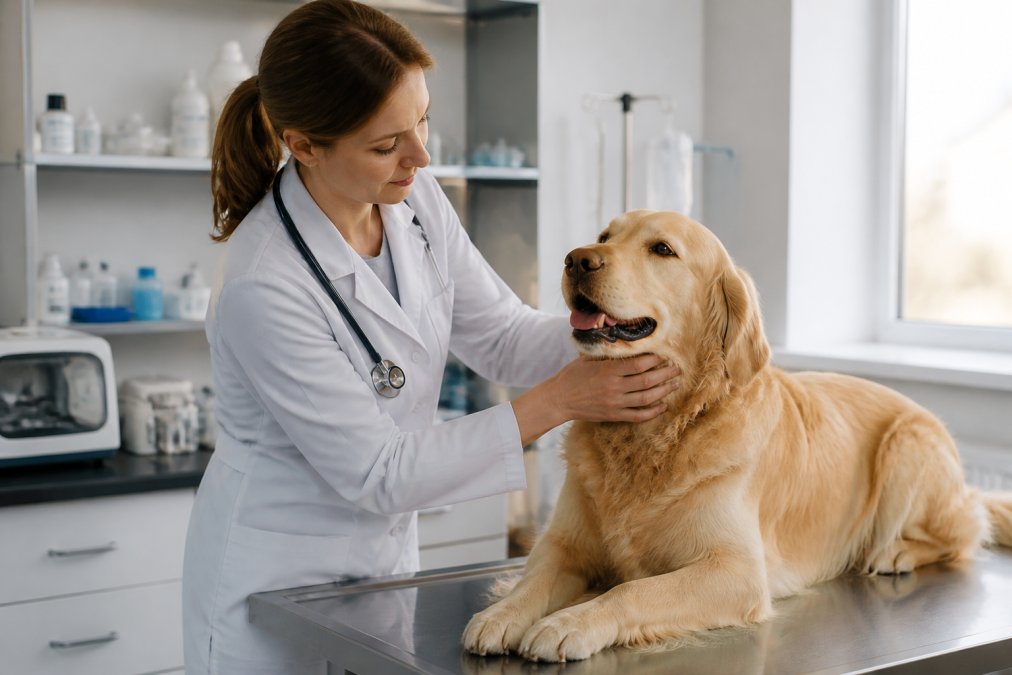
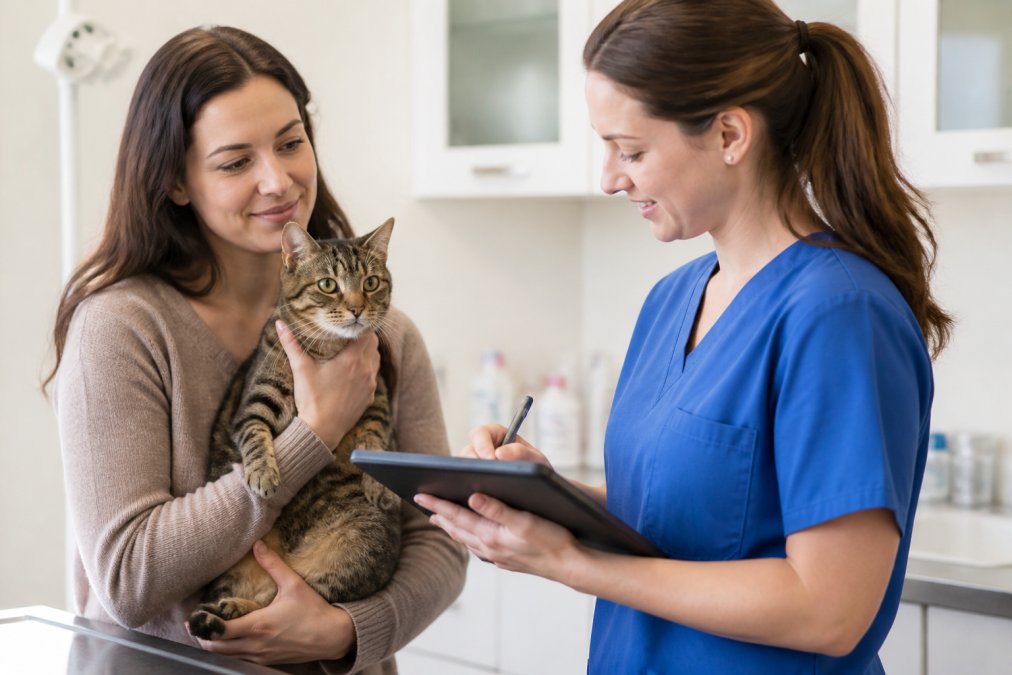
Staff behavior reveals a lot. Good clinics employ people who genuinely care about animals, handle pets gently, and take time to answer questions. Reception staff should be organized and professional. Wait times should be reasonable; chronic delays suggest understaffing or poor management.
Veterinarian communication is critical. They should explain what they're examining and why, ask about diet, exercise, and behavior changes, discuss treatment options and costs before proceeding, and welcome questions. A good clinic maintains detailed medical records, provides copies when requested, and has protocols for emergencies. They discuss preventative care proactively based on your pet's age and health status, not unnecessary services.
Questions to Ask Your Veterinarian
Before committing to a clinic, ask these questions:
-
"How do you approach preventative care?" Quality clinics emphasize prevention through wellness exams, vaccination protocols, parasite prevention, and nutrition counseling.
-
"What is your approach to pain management?" Progressive clinics offer multiple pain management options beyond basic medications.
-
"How do you handle emergencies after hours?" Do they have an emergency protocol and partnerships with emergency facilities?
-
"What is your experience with [your pet's specific breed or health condition]?" Clinics familiar with your pet's breed can anticipate problems and provide targeted preventative care.
-
"Can you explain your pricing?" Request a fee schedule. Transparent clinics post prices and explain what's included.
-
"Do you offer telemedicine or remote consultations?" Modern clinics increasingly offer virtual visits for follow-ups or non-emergency questions.
-
"What happens if my pet needs specialist care?" Ask about their referral network and relationships with board-certified specialists.
Pet Wellness Exam Checklist for Your Visit
A comprehensive wellness exam is the foundation of preventative care. Expect the veterinarian to cover these areas:
| Wellness Exam Component | What It Evaluates | Why It Matters |
|---|---|---|
| Physical examination | Body condition, skin, coat, eyes, ears, mouth | Detects early signs of disease or nutritional deficiency |
| Heart and lung assessment | Heart rate, rhythm, lung sounds | Identifies cardiac or respiratory issues |
| Abdominal palpation | Organ size, pain, abnormalities | Screens for tumors, organ enlargement, or pain |
| Dental evaluation | Tooth condition, gum health, tartar buildup | Prevents painful infections and tooth loss |
| Weight tracking | Comparison to previous visits and ideal weight | Obesity is a major health risk; weight loss can indicate disease |
| Vaccination status review | Current and needed vaccines based on age and risk | Ensures protection against preventable diseases |
| Parasite prevention | Flea, tick, heartworm, and intestinal parasite status | Prevents serious infections and zoonotic diseases |
| Behavioral and lifestyle discussion | Diet, exercise, behavior changes, home environment | Identifies lifestyle factors affecting health |
During the exam, your veterinarian should discuss findings clearly and ask about your pet's diet. Pets eating high-quality, whole-food treats and meals tend to have better health outcomes than those on low-quality diets filled with fillers and artificial ingredients.
When you support your veterinarian's preventative care plan with high-quality treats like our single-ingredient beef liver or pumpkin options, you're investing in your pet's long-term wellness.

Emergency Care, Technology, and Cost Transparency
A high-quality clinic has protocols for urgent cases, even if they don't operate 24-hour. They should clearly communicate what constitutes an emergency and where to go outside their hours. The best clinics maintain relationships with 24-hour emergency facilities and can transfer records electronically. Ask: "Where do you refer emergency cases, and how do you share medical records with them?"
Veterinary Technology That Actually Improves Care
Modern technology directly affects diagnostic speed and treatment accuracy.
Digital Radiography: Produces results instantly on screen, allowing immediate diagnosis of fractures, lung disease, or foreign objects. This speed matters in emergencies and reduces repeat imaging and radiation exposure.
In-House Laboratory Analyzers: Blood work sent to external labs takes 24-48 hours. An in-house analyzer returns results within 30-60 minutes. For pets with suspected kidney disease, pancreatitis, or infection, same-day results mean same-day treatment decisions.
Ultrasound Machines: Essential for diagnosing abdominal pain, heart murmurs, or pregnancy. A clinic with ultrasound capability avoids unnecessary referrals and makes faster treatment decisions.
Patient Monitoring Systems: During surgery or anesthesia, continuous monitors track heart rate, blood pressure, oxygen levels, and temperature, improving safety during procedures.
Telemedicine and Digital Records: Online scheduling, email consultations for non-emergency questions, and digital medical records reduce friction and give your veterinarian instant access to your pet's complete history.
When evaluating a clinic, ask: "What diagnostic equipment do you have in-house, and which tests require outside labs?"
Cost Transparency: How to Evaluate Pricing
Request a Written Fee Schedule: Ask if the clinic publishes fees for common services. Transparent clinics post these on their website or provide them by email.
Get Estimates Before Procedures: For any surgery, diagnostic imaging, or extended treatment, ask for a written estimate breaking down costs: anesthesia, procedure time and supplies, post-operative medications, and follow-up visits.
Understand Pet Insurance Compatibility: Ask if they accept pet insurance claims, submit electronically, and have experience with specific insurance companies. Major carriers include Nationwide, Embrace, Fetch, and ASPCA Pet Health Insurance.
Wellness Plans vs. Pay-as-You-Go: Many clinics offer annual wellness memberships ($300-$600/year) bundling preventative care. Compare the bundled price to what you'd pay separately.
Red Flags in Pricing: Refusing to discuss costs before treatment, significant unexplained price differences, pressure to buy unnecessary add-ons, or no payment plan options for expensive procedures.
A clinic that respects your budget while maintaining quality standards shows they value both your pet's health and your financial reality.
=== FAQ ANSWERS (audit these too, same rules) ===
[1] Q: What are the key indicators of a high-quality veterinary clinic? A: High-quality veterinary clinics display AAHA accreditation, maintain modern diagnostic equipment, employ experienced veterinarians, offer comprehensive services from preventative care to emergency protocols, and communicate clearly with pet owners. They prioritize patient-centered care, maintain strict hygiene standards, and provide transparent pricing. Look for clinics that invest in continuing education for their team and maintain detailed medical records for each patient.
[2] Q: Why is AAHA accreditation important when choosing a veterinary clinic? A: AAHA accreditation means the clinic meets rigorous standards of care set by the American Animal Hospital Association. Accredited clinics undergo regular inspections covering facility standards, medical protocols, surgical safety, and client communication. This voluntary certification demonstrates a clinic's commitment to maintaining clinical excellence and staying current with veterinary medicine best practices, giving pet owners confidence in the quality of care their pets receive.
[3] Q: What questions should I ask my veterinarian during a first visit? A: Ask about their experience with your pet's specific breed or health condition, their approach to preventative care and wellness plans, emergency protocols and after-hours availability, their diagnostic capabilities and laboratory services, vaccination schedules, and how they handle specialist referrals if needed. Also inquire about their communication methods, pricing transparency, and whether they use electronic medical records. These questions help you assess their patient-centered approach and clinical competency.
[4] Q: How can I verify that a veterinary clinic uses high-quality standards of care? A: Check for AAHA accreditation on their website or by calling directly. Review their facility during your visit, observe cleanliness, organization, and equipment condition. Ask about their surgical safety protocols, diagnostic imaging equipment, laboratory testing capabilities, and staff credentials. Request references or read verified reviews from other pet owners. A reputable clinic will openly discuss their qualifications, technology investments, and commitment to continuing education for their veterinary team.
Frequently Asked Questions
What are the key indicators of a high-quality veterinary clinic?
High-quality veterinary clinics display AAHA accreditation, maintain modern diagnostic equipment, employ experienced veterinarians, offer comprehensive services from preventative care to emergency protocols, and communicate clearly with pet owners. They prioritize patient-centered care, maintain strict hygiene standards, and provide transparent pricing. Look for clinics that invest in continuing education for their team and maintain detailed medical records for each patient.
Why is AAHA accreditation important when choosing a veterinary clinic?
AAHA accreditation means the clinic meets rigorous standards of care set by the American Animal Hospital Association. Accredited clinics undergo regular inspections covering facility standards, medical protocols, surgical safety, and client communication. This voluntary certification demonstrates a clinic's commitment to maintaining clinical excellence and staying current with veterinary medicine best practices, giving pet owners confidence in the quality of care their pets receive.
What questions should I ask my veterinarian during a first visit?
Ask about their experience with your pet's specific breed or health condition, their approach to preventative care and wellness plans, emergency protocols and after-hours availability, their diagnostic capabilities and laboratory services, vaccination schedules, and how they handle specialist referrals if needed. Also inquire about their communication methods, pricing transparency, and whether they use electronic medical records. These questions help you assess their patient-centered approach and clinical competency.
How can I verify that a veterinary clinic uses high-quality standards of care?
Check for AAHA accreditation on their website or by calling directly. Review their facility during your visit, observe cleanliness, organization, and equipment condition. Ask about their surgical safety protocols, diagnostic imaging equipment, laboratory testing capabilities, and staff credentials. Request references or read verified reviews from other pet owners. A reputable clinic will openly discuss their qualifications, technology investments, and commitment to continuing education for their veterinary team.
This article was written using GrandRanker