


Table of Contents
- Understanding Common Dog Food Allergens
- Hypoallergenic Dog Treat Ingredients to Use
- Single-Ingredient Dog Treats for Training
- Simple Homemade Recipes for Dogs With Food Allergies
- Storage, Safety, and Cross-Contamination Prevention
- Ingredients to Avoid When Making Dog Treats
- When to Choose Ready-Made Single-Ingredient Treats
- Frequently Asked Questions
Last Updated: September 24, 2026
Understanding Common Dog Food Allergens
Food allergies in dogs are triggered by specific proteins and ingredients their immune systems identify as threats. The most common culprits are chicken, beef, dairy, wheat, and soy. Symptoms include itchy skin, gastrointestinal distress, ear infections, or chronic digestive issues that won't resolve with standard treatments.
Symptoms often mimic other conditions, constant scratching might indicate environmental allergies, while vomiting and diarrhea could signal infections. Work with your veterinarian to identify the actual allergen through an elimination diet before you start making DIY dog treat recipes for dogs with food allergies.
An elimination diet removes suspected allergens for 8-12 weeks, then reintroduces them one at a time to pinpoint the exact trigger. Once identified, you can confidently create homemade treats that won't cause problems.
Hypoallergenic Dog Treat Ingredients to Use
Safe Proteins for Allergic Dogs
Novel proteins are proteins your dog has never eaten before, so their immune system hasn't learned to react to them. Common options include venison, duck, lamb, fish, and kangaroo. If your dog reacts to chicken and beef, a duck-based treat becomes a safe alternative.
Single-ingredient proteins work best for dogs with severe food sensitivities. When you use only beef liver or only pumpkin, there's no risk of hidden allergens in binding agents or fillers. This approach eliminates the guesswork and cross-contamination risk that comes with multi-ingredient treats.
Binding Agents That Won't Trigger Reactions
Most homemade dog treat recipes need a binder to hold ingredients together. Common binders like wheat flour, cornstarch, and eggs often contain allergens. Use alternatives that rarely cause reactions instead.
Sweet potato and pumpkin puree both bind, add moisture, and support digestive health. Both are safe for most dogs with food sensitivities and contribute real nutritional value rather than just holding the treat together.
Tapioca starch is a grain-free binder derived from cassava root with neutral flavor and firm texture when baked. Arrowroot powder is another grain-free option. For frozen treats, you may not need a binder at all, the freezing process holds the mixture together naturally.
Single-Ingredient Dog Treats for Training
Single-ingredient treats are the safest option for dogs with food allergies. When your treat contains only one ingredient, you eliminate the risk of hidden allergens or cross-contamination.
Training requires small, quick rewards that don't distract from the lesson. Our mini-sized pieces are specifically designed for this purpose, small enough to reward frequently without overfeeding, and quick to deliver so your dog stays focused on the training task.
Freeze-dried single-ingredient treats maintain their nutritional value because the freeze-drying process removes only water, leaving all vitamins, minerals, and proteins intact.
Simple Homemade Recipes for Dogs With Food Allergies
Pumpkin-Based Treat Recipe
Ingredients:
- 1 cup 100% pumpkin puree (not pie filling)
- 1/4 cup tapioca starch
- Optional: 1 tablespoon coconut oil for texture
Instructions:
- Preheat your oven to 350°F.
- Mix pumpkin puree and tapioca starch in a bowl until you reach a thick, cookie-dough consistency.
- Spread the mixture onto a parchment paper-lined baking sheet in a thin, even layer (about 1/4 inch thick).
- Bake for 25-30 minutes until the edges begin to firm up and the surface looks dry.
- Remove from the oven and let cool completely on the baking sheet.
- Break into bite-sized pieces once fully cooled.
- Store in an airtight container for up to 5 days, or freeze for longer storage.
Pumpkin is naturally hypoallergenic and supports digestive health, while tapioca starch binds without introducing common allergens.
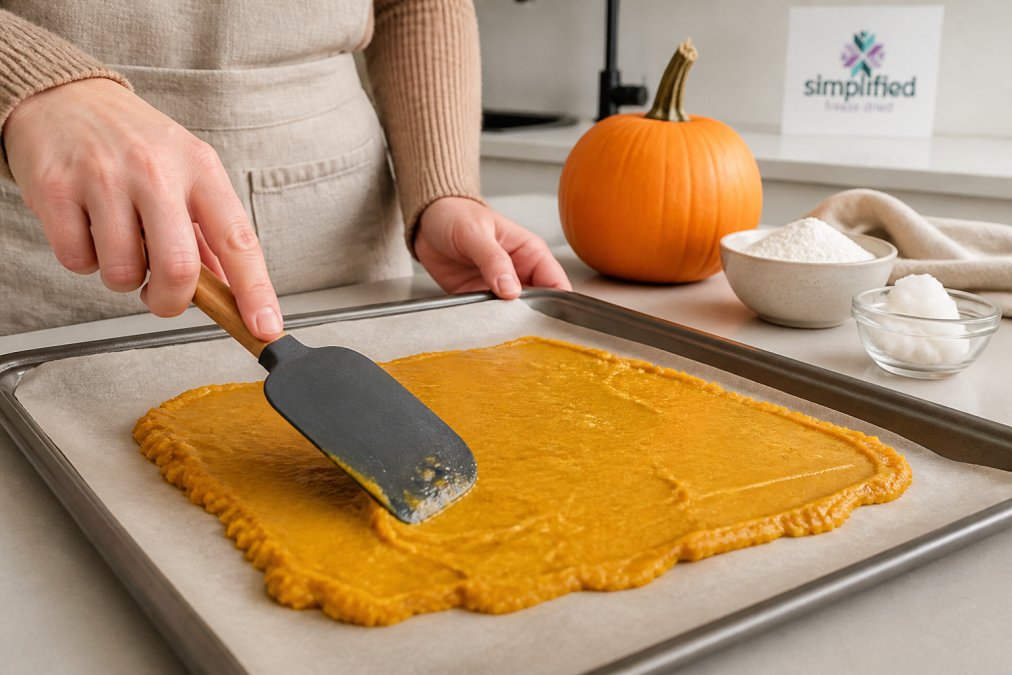
Sweet Potato Chews and Frozen Treats
Sweet potato is fiber-rich and naturally sweet without added sugar. Slice lengthwise into 1/2-inch strips, freeze for 4-6 hours, then store in an airtight freezer container for chewy, naturally sweet rewards that support digestive health.
For sweet potato biscuits, bake sliced sweet potatoes at 250°F for 3 hours until completely dried. No binding agent needed; the baking process creates the firm texture.
Mix mashed sweet potato with a small amount of bone broth (ensuring it contains no onions or garlic), freeze in ice cube trays, and offer as cooling rewards.
Novel Protein Biscuits
Ingredients:
- 1 cup ground novel protein (duck, venison, or lamb)
- 1/2 cup sweet potato puree
- 1/4 cup tapioca starch
Instructions:
Simplified Freeze Dried Beef Liver →
- Preheat oven to 375°F.
- Mix all ingredients until fully combined.
- Form small balls (about walnut-sized) and flatten slightly on a parchment-lined baking sheet.
- Bake for 15-18 minutes until firm and lightly browned.
- Cool completely before storing.
This recipe delivers a novel protein without fillers or binders that could trigger reactions. The sweet potato adds nutrition and helps the mixture hold together.
Storage, Safety, and Cross-Contamination Prevention
Homemade treats spoil faster than commercial products because they contain no preservatives. Store baked treats in an airtight container at room temperature for up to 5 days, or freeze for up to 3 months. Label all containers with the date prepared and ingredients used to prevent confusion in a multi-dog household.
Cross-Contamination Prevention Protocol
Cross-contamination is a serious concern for dogs with severe allergies. Even trace amounts can trigger a reaction. If your dog has a confirmed severe allergy, implement a dedicated preparation protocol.
Dedicated equipment: Use separate cutting boards, utensils, mixing bowls, and baking sheets exclusively for your allergic dog's treats. Store in a separate cabinet or clearly labeled section. Do not use for human food or treats for other pets.
Surface preparation: Clean your work surface thoroughly with hot soapy water, then wipe with a damp cloth. Pay special attention to cutting board grooves and bowl edges where allergen particles can hide.
Hand hygiene: Wash your hands thoroughly with soap and warm water for at least 20 seconds before handling ingredients. If you've recently handled food containing the allergen, wash your hands and forearms, as allergen particles can transfer from skin to food.
Ingredient storage: Store ingredients for your allergic dog's treats in clearly labeled, sealed containers separate from other pantry items. Keep allergen-free ingredients on a different shelf than ingredients containing known allergens. This prevents accidental grab-and-mix errors, especially in busy households.
Multi-pet households: If you prepare treats for multiple dogs with different allergies, prepare your allergic dog's treats first, before handling any ingredients containing their allergen. After finishing, clean all equipment and surfaces before preparing treats for other dogs. Never use the same spoon to scoop ingredients from different containers without washing it between uses.
Oven and appliance safety: If you bake treats containing an allergen for one dog, clean your oven racks and interior with a damp cloth after the treats cool.
Storage Best Practices by Treat Type
Baked treats: Store in airtight glass containers at room temperature for up to 5 days (3 days if warm or humid). Freeze in airtight bags for up to 3 months.
Recognizing Spoilage
Discard treats if you notice:
- Mold or discoloration
- Sour or off odors
- Visible moisture or condensation inside the container
- Any sign of pest contamination
When in doubt, throw it out. Spoiled treats can cause gastrointestinal upset in addition to allergic reactions.
Single-Ingredient Freeze-Dried Treats as a Cross-Contamination Solution
If managing cross-contamination in your kitchen feels overwhelming, single-ingredient freeze-dried treats eliminate these variables entirely. Freeze-dried treats require no preparation, no shared equipment, and no risk of kitchen-based contamination. They're shelf-stable, require no refrigeration, and maintain nutritional integrity for months. When you're managing a dog with multiple food sensitivities or in a household with many pets, the simplicity and safety of single-ingredient freeze-dried options reduces the stress and risk of accidental exposure during the critical early stages of allergy management.

Ingredients to Avoid When Making Dog Treats
Certain ingredients are toxic to dogs or commonly trigger allergic reactions. Xylitol, found in sugar-free products, is extremely toxic even in small amounts. Chocolate, grapes, raisins, and onions are all dangerous. Macadamia nuts cause neurological problems in dogs. These ingredients should never appear in any dog treat, homemade or commercial.
When to Choose Ready-Made Single-Ingredient Treats
Homemade treats give you complete control over ingredients, but they require time and consistency. If you struggle to maintain a regular baking schedule or worry about storage and spoilage, ready-made options simplify the process. Single-ingredient freeze-dried treats eliminate the variables that come with homemade baking.

Frequently Asked Questions
How can I tell if my dog has a food allergy?
Common dog food allergy symptoms include itchy skin, excessive scratching, ear infections, gastrointestinal distress, and chronic diarrhea. Some dogs also experience vomiting or lethargy. If you notice these signs, consult your veterinarian before introducing new treats. An elimination diet, where you feed only one novel protein source for 8-12 weeks, can help identify the specific allergen triggering your dog's reaction.
Are single-ingredient dog treats safer for dogs with allergies?
Yes, single-ingredient dog treats are significantly safer for allergic dogs. They eliminate the risk of hidden allergens and binding agents that could trigger reactions. Single-ingredient treats contain only one protein or vegetable source, making it easy to identify what your dog is eating. This transparency is crucial when managing dietary restrictions and helps you avoid cross-contamination from multi-ingredient formulas.
What ingredients should I avoid when making homemade dog treats?
Never use xylitol, chocolate, grapes, raisins, onions, garlic, avocado, or macadamia nuts. Avoid wheat, corn, and soy if your dog has grain sensitivities. Skip artificial preservatives, colors, and flavors. Be cautious with high-fat ingredients that can cause gastrointestinal distress. Always use pet-safe ingredients and consult your veterinarian about your dog's specific dietary restrictions before introducing new homemade treats.
How should I store homemade dog treats without preservatives?
Store homemade treats in an airtight container in a cool, dry place for up to two weeks. For longer shelf life, refrigerate them for up to four weeks or freeze for three months. Frozen snacks also provide a refreshing option during warmer months. Label containers with the date and ingredients used. Keep treats away from moisture and sunlight to maintain freshness and prevent spoilage. Always inspect treats before serving to ensure they haven't developed mold or odor.